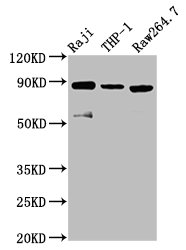
Routine cell or tissue lysate Western blot protocol For most 20-100 kDa targets in whole-cell lysate or tissue lysate. Use this workflow when: You are detecting a typical 20-100 kDa target in whole-cell lysate, nuclear extract, cytoplasmic extract, or tissue lysate. Optimize first: Sample quality, protein normalization, transfer consistency, antibody dilution, blocking buffer, and exposure time. Before you start Confirm the expected molecular weight and the antibody host species before starting. Prepare fresh protease inhibitors in cold lysis buffer. For nuclear protein lysates, consider EpiQuik Nuclear Extraction Kit (OP-0002); for histone protein lysates, consider EpiQuik Total Histone Extraction Kit (OP-0006). Plan 10-30 ug total protein per lane as the starting load. Include a positive control, negative control when available, and a validated loading control or total protein stain. Protocol 1Prepare and clarify the sample For cells, collect cells directly and wash with cold PBS when appropriate. For tissues, cut and homogenize tissue pieces, then collect and wash the resulting cell pellet. Lyse on ice in your own cold lysis buffer containing fresh protease inhibitors, or use the reference lysis buffer preparation below. For nuclear protein lysates, consider EpiQuik Nuclear Extraction Kit (OP-0002); for histone protein lysates, consider EpiQuik Total Histone Extraction Kit (OP-0006). Incubate on ice for 10-30 minutes with occasional mixing. Clarify at 12,000-16,000 x g for 10-20 minutes at 4°C. Transfer only the clear supernatant to a fresh tube. If lysate is viscous, shear DNA before loading. 2Quantify, normalize, and denature Measure protein concentration before adding reducing sample buffer. Normalize all samples to the same concentration. Add 4X Laemmli sample buffer to 1X final concentration. Heat at 95°C for 5 minutes, then briefly centrifuge before loading. 3Run SDS-PAGE Use a 10-12% gel or 4-12% gradient gel for most routine targets. Load ladder, positive control, negative control, and test samples. Run the stacking gel at 60-80 V, then the resolving gel at 100-150 V. Stop when the dye front approaches the bottom or the target range is separated. 4Transfer to membrane Use 0.45 um PVDF or nitrocellulose for routine targets. For wet transfer, start around 100 V for 60-90 minutes at 4°C, or use validated semi-dry settings. Stain the membrane with Ponceau S before blocking to confirm transfer and lane consistency. Correct uneven transfer before changing antibody conditions. 5Block, probe, detect, and normalize Block with 5% non-fat dry milk in TBST unless the antibody datasheet recommends another blocker. Incubate KIR2DL2/KIR2DL3 Monoclonal Antibody [6W7Q7] using the dilution, incubation time, and buffer recommended in the antibody datasheet or supplier specifications. Wash 3 x 5-10 minutes, incubate secondary antibody, then wash again. Capture non-saturated exposures and normalize to total protein or a validated loading control. Controls to include Positive lysate or purified protein that is known to contain the target. Negative lysate, knockout, knockdown, untreated, or low-expression sample when available. Loading control such as GAPDH, beta-actin, tubulin, or a total protein stain. Short and long exposures to avoid relying on a saturated image.
Purified or recombinant protein Western blot protocol For purified target protein, recombinant controls, standards, or defined protein preparations. Use this workflow when: You are confirming expression, purity, identity, tag detection, or recovery of a purified or overexpressed recombinant protein. Optimize first: Protein loading amount, tag or target antibody choice, gel percentage, transfer time, and exposure range. Before you start Use nanogram-range loading instead of total lysate loading ranges. Prepare a dilution series so signal intensity can be interpreted without saturation. Confirm the final expected size, including tag, linker, fusion partner, or cleavage product. Include unrelated recombinant protein, buffer-only control, or tag-only control when relevant. Protocol 1Prepare a dilution series Dilute the protein in compatible buffer before adding sample buffer. Start with 1-50 ng per lane for most purified proteins. Include at least three amounts, such as low, medium, and high load. Use a buffer-only lane if the storage buffer contains reducing agent, salt, glycerol, detergent, or carrier protein. 2Denature without overloading Add 4X sample buffer to 1X final concentration. Heat at 95°C for 5 minutes unless the protein aggregates. If precipitation appears after heating, test 37-70°C for 10-30 minutes. Briefly centrifuge before loading. 3Run SDS-PAGE by final protein size Choose gel percentage by the final expected recombinant protein size. Use a gradient gel if expected contaminants or fragments span a wide molecular weight range. Run the gel until the target and any expected fragments are separated. Do not interpret an overloaded purified lane as antibody specificity. 4Transfer Use 0.45 um membrane for most recombinant proteins above about 20 kDa. Use 0.2/0.22 um membrane for very small proteins or peptides. Confirm transfer with Ponceau S or another reversible stain. If signal is too intense, reduce protein load before changing transfer conditions. 5Probe and interpret Start with datasheet antibody dilution or a small antibody titration. Capture exposure times that keep the dilution series within the non-saturated range. Use unrelated recombinant protein or tag-only protein to check non-specific recognition. Use lysate validation separately if the antibody will be used on complex samples. Controls to include Purified target protein as the main positive control. Unrelated recombinant protein to check non-specific recognition. Tag-only control if the detection antibody recognizes a tag. Buffer-only lane to identify artifacts from storage buffer.
Tagged protein expression Western blot protocol For FLAG, HA, His, Myc, GFP, or other tagged proteins expressed in cells or host lysates. Use this workflow when: You are detecting HA, FLAG, His, Myc, GFP, or another tagged construct in transfected, transduced, or engineered samples. Optimize first: Tag accessibility, expression level, lysis conditions, positive and mock-transfected controls, and antibody dilution. Before you start Calculate the final expected molecular weight, including tag, linker, fusion partner, and cleavage site. Prepare matched samples such as transfected vs mock, induced vs uninduced, or expression vector vs empty vector. Select lysis conditions based on tagged protein localization. For tagged nuclear proteins, consider EpiQuik Nuclear Extraction Kit (OP-0002); for tagged histone proteins, consider EpiQuik Total Histone Extraction Kit (OP-0006). Use anti-tag antibody to confirm expression and target-specific antibody to confirm identity when possible. Plan lower lysate loads if expression is very strong. Protocol 1Prepare matched expression lysates Collect test and control samples under the same lysis conditions. Lyse on ice in your own cold lysis buffer containing fresh protease inhibitors, or use the reference lysis buffer preparation below. For nuclear protein lysates, consider EpiQuik Nuclear Extraction Kit (OP-0002); for histone protein lysates, consider EpiQuik Total Histone Extraction Kit (OP-0006). Centrifuge lysates at 12,000-16,000 x g for 10-20 minutes at 4°C. Start with 10-30 ug total protein per lane, or less if overexpression is strong. Keep induced/uninduced or transfected/mock samples paired on the same gel. 2Normalize and denature Quantify protein and normalize all lysates. Add reducing sample buffer to 1X final concentration. Heat at 95°C for 5 minutes unless the tagged protein aggregates. If the protein smears or remains in the well, test lower-temperature denaturation. 3Run gel by final tagged size Choose gel percentage based on the final construct size, not the native protein alone. Use 10-12% gel for many 25-100 kDa constructs, higher percentage for small tags, and lower percentage for large fusions. Run the gel long enough to separate full-length target from degradation products. Use an appropriate molecular weight ladder covering the full construct size. 4Transfer Transfer based on final target size. Use 0.45 um membrane for most tagged proteins above about 20 kDa. Check transfer before blocking. If the target is a large fusion protein, use large-protein transfer settings. 5Probe with tag and target logic Probe with anti-tag antibody to confirm expression. Probe with target-specific antibody when identity needs confirmation. Compare signal against mock, empty-vector, or uninduced control. If anti-tag gives many bands, reduce load and check for degradation. Controls to include Mock or untransfected lysate to identify host-cell background. Empty-vector lysate to control for tag-related signal. Induced and uninduced samples for inducible expression systems. Target-specific antibody confirmation when anti-tag signal alone is not enough.
Low-abundance endogenous target Western blot protocol For weak endogenous targets, rare proteins, inducible proteins, or targets that are difficult to detect in total lysate. Use this workflow when: The target is weak, rare, inducible, tissue-restricted, or expected to produce a low signal in routine lysate. Optimize first: Positive control choice, sample enrichment, protein load, KIR2DL2/KIR2DL3 Monoclonal Antibody [6W7Q7] incubation, wash stringency, and exposure time. Before you start Identify a strong positive control before running unknown samples. Consider enrichment, IP, fractionation, nuclear extraction, or membrane enrichment instead of simply loading more lysate. Use fresh inhibitors and keep samples cold. Plan overnight KIR2DL2/KIR2DL3 Monoclonal Antibody [6W7Q7] incubation and sensitive detection. Protocol 1Prepare or enrich the target Use total lysate only if the target is expected to be detectable without enrichment. For nuclear, membrane, chromatin-associated, or low-copy targets, enrich the appropriate fraction first. For nuclear protein enrichment, consider EpiQuik Nuclear Extraction Kit (OP-0002). Start with 20-40 ug total lysate only if lane quality remains acceptable. Include the positive control on the same blot. 2Normalize and denature Quantify protein or normalize enriched fraction by a consistent basis. Add reducing sample buffer and heat at 95°C for 5 minutes unless the target requires another condition. Avoid overloading total lysate because it can increase background faster than target signal. Clarify again if samples become viscous or particulate. 3Run SDS-PAGE Choose gel percentage by target size. Avoid distorted lanes, since weak targets become harder to interpret in smeared samples. Run the target region with enough separation from abundant nearby proteins. Do not compensate for low abundance by overloading until enrichment has been considered. 4Transfer and check before probing Use transfer settings based on target size. Stain the membrane after transfer and document the target molecular weight region. If the positive control is weak, troubleshoot transfer before antibody dilution. For small or large low-abundance targets, use the matching small- or large-protein transfer approach. 5Increase detection sensitivity in order Use overnight primary incubation at 4°C. Use a sensitive ECL or fluorescent detection reagent. Increase KIR2DL2/KIR2DL3 Monoclonal Antibody [6W7Q7] concentration only after confirming transfer and positive control. Avoid increasing secondary antibody first if background is already present. Controls to include Strong known positive control to confirm the assay can detect the target. No-primary or secondary-only control if background is a concern. Fraction marker or enrichment control if enrichment is used. Loading control or total protein stain suited to the fraction or sample type.
Small protein, histone, or peptide Western blot protocol For histones, peptides, small cytokines, and proteins below about 20 kDa. Use this workflow when: The target is a small protein, histone, peptide-sized target, or low molecular weight modification-sensitive protein. Optimize first: High-percentage gel selection, membrane pore size, transfer time, methanol level, and prevention of over-transfer. Before you start Use a high-percentage gel or Tris-Tricine gel for small target resolution. Prepare 0.2/0.22 um membrane to reduce blow-through. Use lower sample loads for abundant histones. For histone extraction from mammalian cells or tissues, consider EpiQuik Total Histone Extraction Kit (OP-0006). Plan total H3, total H4, total histone, peptide, or recombinant control when appropriate. Protocol 1Prepare the small-protein sample Use histone extract, enriched fraction, purified peptide, or total lysate depending on the target. For histone extracts, start around 0.5-5 ug per lane. For total lysate small targets, use the lowest load that still gives visible target signal. Avoid excessive loading because small abundant proteins can saturate quickly. 2Denature Add sample buffer to 1X final concentration. Heat at 95°C for 5 minutes unless the antibody or sample type requires another condition. Briefly centrifuge before loading. Keep peptide or histone controls prepared consistently with samples. 3Run a small-protein gel Use 15-18% gel or Tris-Tricine gel for very small targets. Run until the small target is separated from the dye front and nearby bands. Use a ladder that covers low molecular weight markers. If small bands compress, change gel chemistry before changing antibody conditions. 4Transfer gently Use 0.2/0.22 um PVDF or nitrocellulose. Use shorter or gentler transfer than routine proteins. Avoid SDS in transfer buffer unless specifically validated. If signal is missing, check for membrane blow-through before increasing antibody. 5Block, probe, and normalize Use blocker compatible with the antibody. For many histone PTM antibodies, start with BSA in TBST. Probe with target or modification-specific antibody. Normalize histone targets to total H3/H4, total histone, or total protein signal when appropriate. Use short exposures first because histone signals can saturate. Controls to include Total H3, total H4, or total histone control for histone targets. Modified peptide, recombinant histone, or known positive sample for PTM targets. Unmodified peptide or untreated sample when testing modification specificity. Transfer retention check because small proteins can pass through membranes.
Large protein Western blot protocol For proteins above about 150 kDa, high molecular weight targets, or proteins that transfer poorly. Use this workflow when: The target is a large protein that transfers slowly or resolves poorly on a standard gel. Optimize first: Gel percentage, transfer time, membrane choice, sample denaturation, and reducing conditions. Before you start Use a low-percentage or gradient gel suitable for high molecular weight separation. Plan wet transfer with cooling and longer transfer time. Prepare reduced-methanol transfer buffer when needed. Plan membrane stain and post-transfer gel stain to check whether protein remains in the gel. Protocol 1Prepare clean lysate Lyse on ice and avoid harsh handling that promotes aggregation. Clarify thoroughly before loading. Start with 10-30 ug total protein per lane depending on target abundance. Avoid viscous or particulate samples, which can trap large proteins near the well. 2Denature with care Use reducing sample buffer unless non-reducing conditions are required. Start with 95°C for 5 minutes for routine large soluble proteins. If the protein aggregates or stays near the well, test 37-70°C for 10-30 minutes. Briefly centrifuge before loading. 3Run a large-protein gel Use 4-8% gel or 4-15% gradient gel depending on target size. Run longer at appropriate voltage to improve high molecular weight separation. Use a high molecular weight ladder. If the target remains compressed near the top, lower the gel percentage before changing antibody conditions. 4Use extended wet transfer Use wet transfer with cooling instead of a short routine transfer. Start with 30 V overnight or another validated extended wet-transfer condition. Reduce methanol to 5-10% if large protein transfer is poor. Consider 0.025-0.05% SDS only after optimizing methanol and transfer time. 5Probe and check transfer first Block with milk or datasheet-recommended blocker. Use antibody conditions from the datasheet when available. If signal is weak, stain the post-transfer gel to determine whether target remained in the gel. Optimize transfer before increasing antibody concentration. Controls to include High molecular weight ladder. Known positive lysate for the large target. Ponceau S or total protein stain on membrane. Post-transfer gel stain when transfer efficiency is uncertain.
Membrane or hydrophobic protein Western blot protocol For membrane-enriched, hydrophobic, multi-pass, organelle, or detergent-sensitive proteins. Use this workflow when: The target is hydrophobic, multi-pass, poorly soluble, or found mainly in membrane fractions. Optimize first: Lysis buffer detergents, sample heating conditions, membrane fraction enrichment, gel percentage, and transfer efficiency. Before you start Choose lysis or extraction conditions strong enough to solubilize the target. Prepare membrane fraction and cytosolic marker controls when fractionation is used. Plan a denaturation comparison if boiling may cause aggregation. Confirm detergent compatibility with SDS-PAGE and antibody detection. Protocol 1Extract the membrane target Use detergent conditions appropriate for the membrane protein and sample type. Keep samples cold and include fresh inhibitors. Clarify insoluble debris after extraction. If fractionating, keep membrane and cytosolic fractions clearly separated. 2Normalize and test denaturation Normalize by protein concentration or fraction-equivalent loading. Start with standard reducing sample buffer. If boiling causes aggregation, test 37-70°C for 10-30 minutes. Avoid repeated freeze-thaw cycles, which can worsen aggregation. 3Run SDS-PAGE Choose gel percentage by target size. Watch for material remaining in the well or broad smearing. If migration is poor, optimize extraction and denaturation before changing antibody conditions. Use fraction marker lanes when possible. 4Transfer Use transfer settings based on target size. Use 0.45 um membrane for most membrane proteins above about 20 kDa. Check transfer before blocking. Optimize transfer only after sample solubilization is acceptable. 5Probe and reduce background Start with datasheet-recommended blocker or 5% milk in TBST for routine targets. Increase wash stringency if hydrophobic samples create broad background. Confirm signal is enriched in the membrane fraction when fractionation is used. If target is weak, troubleshoot extraction before increasing secondary antibody. Controls to include Membrane fraction marker to confirm enrichment. Cytosolic marker to check fraction purity. Positive membrane-rich sample. No-primary control if hydrophobic background is high.
Phospho-specific or labile PTM Western blot protocol For phosphorylation or other modification-specific targets that require careful sample handling and controls. Use this workflow when: You are detecting phosphorylation, acetylation, methylation, ubiquitination, or another modification-specific target. Optimize first: Inhibitor protection, treatment controls, blocking buffer, antibody specificity controls, and non-saturated exposure. Before you start Add phosphatase and protease inhibitors fresh to lysis buffer. Keep samples cold and process quickly. Use BSA in TBST as the starting blocker unless the antibody datasheet recommends otherwise. Prepare total target, stimulated/unstimulated, inhibitor-treated, or phosphatase-treated controls when possible. Protocol 1Lyse quickly with inhibitors Chill samples, tubes, and buffer before lysis. Add inhibitors immediately before use. Lyse and clarify samples at 4°C. Avoid delays, repeated freeze-thaw cycles, and prolonged handling. 2Normalize and denature Quantify protein and normalize all samples. Add sample buffer promptly after lysis. Heat at 95°C for 5 minutes unless the antibody datasheet recommends another condition. Keep the handling time consistent across treatment groups. 3Run SDS-PAGE Choose gel percentage by the total target protein size. Use better-resolving conditions if a modification-dependent mobility shift is expected. Run treated and untreated samples together. Avoid overloading, which can obscure subtle PTM-dependent changes. 4Transfer Transfer based on target size and confirm transfer before probing. Use membrane stain to verify consistent lane transfer. If phospho signal is weak, confirm total target before increasing phospho antibody. Use small- or large-protein transfer settings if target size requires them. 5Block, probe, and confirm specificity Block and dilute antibody in 3-5% BSA in TBST unless datasheet recommends otherwise. Probe phospho/PTM signal and total target protein. Confirm signal changes with stimulation, inhibition, or phosphatase treatment when possible. Switch blocker before assuming the antibody failed if background is high. Controls to include Total target protein to confirm expression and loading. Stimulated and unstimulated samples to show expected modification change. Phosphatase-treated sample when applicable. Pathway inhibitor or treatment control when applicable.
IP, co-IP, or pulldown Western blot protocol For IP-Western analysis of immunoprecipitated, co-IP, pulldown, bead-bound, or enriched eluate samples. This Western blot workflow assumes the IP or pulldown capture step has already been performed. Use this workflow when: The immunoprecipitation, co-IP, pulldown, or enrichment step has already been performed and the eluate or bead-bound fraction will be analyzed by Western blot. Optimize first: Input and IgG controls, heavy-chain and light-chain interference, elution method, sample loading, and detection antibody strategy. Before you start Plan lane order before starting: input, flow-through, wash, eluate, IgG IP, and beads-only when possible. Check whether the target overlaps IgG heavy chain near 50 kDa or light chain near 25 kDa. Choose a detection strategy that avoids IP antibody chain interference when needed. Keep input and control samples for interpretation. Protocol 1Collect IP fractions Save input before IP. Save flow-through and wash fractions if capture efficiency matters. Elute target from beads under conditions compatible with downstream Western blotting. Include IgG IP and beads-only control when possible. 2Prepare eluate for loading Add sample buffer to eluate or bead-bound sample according to the IP method. Boil beads in sample buffer only if compatible with the experiment. Briefly centrifuge and load the supernatant without bead carryover. Load input as a small percentage of starting material and eluate as an equivalent fraction. 3Run SDS-PAGE Choose gel percentage by target size. Account for IgG heavy chain near 50 kDa and light chain near 25 kDa. If the target overlaps IgG chains, use detection designed to avoid chain interference. Separate input, control IP, and test IP lanes clearly. 4Transfer Use transfer settings based on target size. Confirm transfer before blocking. If sample amount is limited, avoid unnecessary membrane stripping. Use small- or large-target transfer changes only when target size requires them. 5Probe and interpret enrichment Use light-chain-specific, conformation-specific, or directly conjugated detection if IgG chain interference is expected. Compare test IP to IgG IP and beads-only control. Use input to confirm that the target was present before IP. Troubleshoot enrichment before assuming Western blot antibody failure. Controls to include Input to show the target was present before IP. Flow-through and wash to evaluate capture and wash loss. IgG IP to measure non-specific antibody pulldown. Beads-only IP to measure non-specific bead binding.
Secreted protein or conditioned media Western blot protocol For conditioned media, culture supernatant, serum-containing media, or concentrated secreted protein samples. Use this workflow when: The target is secreted into conditioned media, serum-free media, plasma, serum, or another low-protein extracellular sample. Optimize first: Sample concentration, matrix background, loading normalization, positive controls, and transfer/detection sensitivity. Before you start Clarify media to remove cells and debris before concentration or loading. Choose a normalization basis: volume, cell number, viability, total protein, or another experiment-specific factor. Concentrate media if the target is expected to be dilute. Include blank media and conditioned-media positive control when possible. Protocol 1Clarify and normalize media Centrifuge conditioned media to remove cells and debris. Concentrate the media if target abundance is low. Normalize by volume, cell number, viability, total protein, or collection time. Record the normalization basis so lanes can be compared. 2Prepare sample buffer Add sample buffer after concentration or cleanup. Use reducing or non-reducing conditions based on the target and antibody. If concentrated media contains high salt, desalt or clean up before loading. Avoid overloading serum proteins if serum-containing media is used. 3Run SDS-PAGE Choose gel percentage by target size. Run blank media, conditioned media, and positive control on the same gel. If serum proteins dominate the lane, reduce load or use serum-free collection when feasible. If migration is distorted, check salt and concentration method. 4Transfer Transfer based on target size. Use 0.45 um membrane for most routine secreted proteins above about 20 kDa. Confirm transfer with membrane stain. If target is small, use small-protein transfer settings. 5Probe and compare to media controls Block with datasheet-recommended blocker or 5% milk for routine targets. Increase washing if serum or media components create background. Compare conditioned media against blank media control. Use viability data to distinguish secretion from protein release due to cell death. Controls to include Blank media to identify media-derived background. Conditioned-media positive control or purified target. Cell viability control to help distinguish secretion from cell lysis. Normalization record for volume, cell number, viability, or protein basis.
Cultured cell IF/ICC protocol Use this workflow for fluorescent antibody staining of adherent or suspension cells on coverslips, chamber slides, or imaging plates. Use this format when: Detecting protein localization, nuclear markers, cytoplasmic proteins, histone marks, signaling proteins, or cell morphology in cultured cells.Optimize first: Fixation method, permeabilization strength, blocking buffer, primary antibody dilution, and imaging exposure. 1 Plate cellsSeed cells onto sterile coverslips, chamber slides, or imaging plates so they reach 50-80 percent confluence on staining day. For coverslips in a 24-well plate, use enough medium to fully cover the cells. 2 Fix cellsRemove medium and gently rinse once with PBS. Add 4 percent paraformaldehyde in PBS for 10-15 minutes at room temperature. For some cytoskeletal, membrane, or epitope-sensitive targets, compare with cold methanol fixation for 5-10 minutes at -20 degrees C. 3 Wash and permeabilizeWash 3 times with PBS, 5 minutes each. Permeabilize with 0.1-0.3 percent Triton X-100 in PBS for 5-10 minutes at room temperature. For nuclear histone or chromatin targets, 0.2-0.5 percent Triton X-100 can be tested. For membrane targets, reduce or omit detergent. 4 Block nonspecific bindingAdd blocking buffer, such as 1-5 percent BSA or 5 percent normal serum in PBS with 0.05-0.1 percent Tween-20. Incubate 30-60 minutes at room temperature. Use serum from the host species of the secondary antibody when practical. 5 Add primary antibodyDilute KIR2DL2/KIR2DL3 Monoclonal Antibody [6W7Q7] in blocking buffer. Start with the datasheet-recommended IF/ICC dilution or test 1:100, 1:250, and 1:500. Add enough volume to cover the sample, such as 100-200 uL per coverslip or 50-100 uL per chamber well. Incubate 1 hour at room temperature or overnight at 4 degrees C in a humidified chamber. 6 Wash after primary antibodyWash 3 times with PBS or PBST, 5 minutes each, using gentle rocking. Do not allow cells to dry. 7 Add fluorescent secondary antibodyDilute fluorophore-conjugated secondary antibody in blocking buffer, commonly 1:500-1:1000. Add enough volume to cover the cells and incubate 45-60 minutes at room temperature protected from light. 8 Counterstain and mountWash 3 times. Add DAPI or another nuclear counterstain for 5 minutes if desired, then wash once. Mount coverslips with antifade mounting medium and cure according to the mountant instructions. 9 Image and document settingsAcquire images using the same exposure, laser power, gain, and offset for samples that will be compared. Include no-primary and secondary-only controls to evaluate background. Fixation choiceParaformaldehyde preserves morphology well. Methanol can improve some cytoskeletal or nuclear epitopes but may disrupt membrane morphology.AutofluorescenceIf background is high, reduce fixation time, improve washing, test a different blocking buffer, or switch fluorophores.
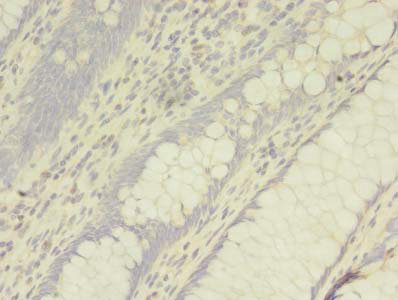
Tissue immunofluorescence protocol Use this workflow for fluorescent antibody staining of frozen, fixed frozen, or FFPE tissue sections. Use this format when: Detecting spatial protein expression in tissue sections with fluorescence rather than chromogenic IHC.Optimize first: Section type, antigen retrieval, autofluorescence control, permeabilization, antibody dilution, and mounting medium. 1 Prepare sectionsUse 4-8 um tissue sections mounted on charged slides. Air dry frozen sections for 10-20 minutes. For FFPE sections, deparaffinize through xylene and graded ethanol, then rehydrate to water. 2 Fix or retrieve antigenFor frozen sections, fix with cold acetone for 10 minutes or 4 percent paraformaldehyde for 10-15 minutes depending on the target. For FFPE sections, perform heat-induced antigen retrieval in citrate buffer pH 6.0 or Tris-EDTA pH 9.0 for 10-20 minutes, then cool 20 minutes. 3 Reduce autofluorescence if neededFor tissue with high autofluorescence, treat with an autofluorescence quenching reagent or freshly prepared 0.1 percent sodium borohydride for 5-10 minutes, followed by thorough PBS washes. Choose the method compatible with your fluorophores. 4 Permeabilize and blockPermeabilize with 0.1-0.3 percent Triton X-100 in PBS for 5-10 minutes if intracellular or nuclear access is needed. Block 30-60 minutes with 5 percent normal serum or 1-5 percent BSA in PBS. 5 Add primary antibodyDilute KIR2DL2/KIR2DL3 Monoclonal Antibody [6W7Q7] in blocking buffer. Start with the datasheet-recommended tissue IF dilution or test 1:100, 1:250, and 1:500. Apply 100-200 uL per section, cover with parafilm or use a humidified chamber, and incubate 1-2 hours at room temperature or overnight at 4 degrees C. 6 Wash and add secondary antibodyWash 3 times for 5 minutes each in PBS or PBST. Add fluorophore-conjugated secondary antibody diluted 1:500-1:1000. Incubate 45-60 minutes at room temperature protected from light. 7 Counterstain and mountWash 3 times. Add DAPI if desired. Mount with antifade medium and coverslip carefully to avoid bubbles. 8 Image sectionsUse identical microscope settings for comparative samples. Include no-primary controls and known positive tissue when available. Tissue handlingDo not let sections dry after rehydration or blocking begins.RetrievalSome epitopes require retrieval for FFPE tissue but not frozen tissue. Test pH 6 and pH 9 retrieval when starting a new antibody.
Multiplex IF/ICC protocol Use this workflow to detect two or more targets in the same cells or tissue section using spectrally distinct antibodies. Use this format when: Comparing colocalization, marker identity, signaling state, or target expression in the same sample.Optimize first: Host species compatibility, fluorophore separation, antibody order, blocking, cross-reactivity controls, and exposure settings. 1 Plan antibody panelChoose primary antibodies from different host species when possible. Match secondary antibodies to non-overlapping fluorophores. Avoid fluorophores with heavy spectral overlap unless spectral unmixing is available. 2 Fix, permeabilize, and blockPrepare the sample using the IF/ICC or tissue IF fixation and blocking conditions appropriate for the most sensitive target. Use enough blocking buffer to reduce nonspecific secondary antibody binding. 3 Add primary antibody mixPrepare a master mix containing each primary antibody at its optimized dilution. Include KIR2DL2/KIR2DL3 Monoclonal Antibody [6W7Q7] if it is one of the targets in the panel. Start with single-stain optimized dilutions before combining antibodies. Incubate 1 hour at room temperature or overnight at 4 degrees C. 4 Wash thoroughlyWash 3 times for 5 minutes each with PBS or PBST. Extend washes to 5-10 minutes when background or cross-channel signal is high. 5 Add secondary antibody mixAdd cross-adsorbed secondary antibodies diluted in blocking buffer, commonly 1:500-1:1000. Incubate 45-60 minutes protected from light. 6 Counterstain and mountWash 3 times. Add nuclear counterstain if needed, then mount with antifade medium compatible with all fluorophores. 7 Acquire controlsImage single-color controls, no-primary controls, and full-stain samples using consistent settings. Use single-color controls to identify bleed-through or compensation needs. Same-species primariesIf two primary antibodies share the same host species, use directly conjugated primaries, sequential staining with blocking, Fab fragments, or tyramide signal amplification when appropriate.ColocalizationDo not call colocalization from overexposed images. Keep all channels below saturation.
Phospho/PTM IF protocol Use this workflow for phosphorylation, acetylation, methylation, ubiquitination, or other modification-specific antibody staining. Use this format when: Detecting transient signaling or post-translational modifications in cells or tissue.Optimize first: Sample timing, inhibitor use, fixation speed, permeabilization, antibody dilution, and positive or negative treatment controls. 1 Prepare treated and control samplesPlan untreated, stimulated, inhibited, knockdown, or positive control samples before staining. For phospho targets, add phosphatase inhibitors during washes or lysis-related steps where applicable and fix quickly after treatment. 2 Fix rapidlyRemove medium and rinse briefly with warm PBS when needed. Fix with 4 percent paraformaldehyde for 10-15 minutes at room temperature, or use methanol fixation for targets known to work better with alcohol fixation. 3 Permeabilize for nuclear or intracellular accessWash 3 times. Use 0.1-0.3 percent Triton X-100 for 5-10 minutes. For histone or chromatin PTMs, test 0.2-0.5 percent Triton X-100 and consider a short pre-extraction step only if compatible with morphology and the target. 4 BlockBlock 45-60 minutes with 1-5 percent BSA in PBS or TBS. For phospho-specific antibodies, BSA is often preferred over milk because milk can contain phosphoproteins that increase background. 5 Add primary antibodyDilute KIR2DL2/KIR2DL3 Monoclonal Antibody [6W7Q7] in blocking buffer. Start with the datasheet-recommended IF dilution or test 1:100, 1:250, and 1:500. Incubate overnight at 4 degrees C for low-abundance PTMs or weak signals. 6 Wash and detectWash 3 times for 5 minutes. Add fluorophore-conjugated secondary antibody at 1:500-1:1000 for 45-60 minutes protected from light. Wash 3 times. 7 Mount and imageCounterstain if needed, mount with antifade medium, and image positive and negative controls with the same settings. For signal quantification, avoid saturated pixels and analyze the same cellular compartment across samples. PTM specificityUse inhibitor, stimulation, peptide competition, knockdown, or known positive/negative controls when available to support modification-specific interpretation.Blocking bufferIf background is high, compare BSA, serum, fish gelatin, or commercial antibody diluent.
Surface staining flow cytometry protocol Use this workflow for extracellular antigens on live or fixed cells before acquisition by flow cytometry. Use this format when: Detecting cell surface markers, receptors, lineage markers, or extracellular epitopes.Optimize first: Cell viability, Fc blocking, antibody amount, staining volume, wash conditions, and compensation controls. 1 Prepare single-cell suspensionCollect cells and make a single-cell suspension. Filter clumps if needed. Count cells and transfer 0.5-1 x 10^6 cells per tube or well. Keep cells on ice or at 4 degrees C when staining sensitive surface markers. 2 Wash cellsAdd 1-2 mL staining buffer per tube, or 150-200 uL per 96-well plate well. Staining buffer can be PBS or HBSS with 1-2 percent FBS or BSA and 1-2 mM EDTA. Centrifuge 300-500 x g for 5 minutes and discard supernatant. 3 Block Fc receptorsResuspend cells in 50-100 uL staining buffer containing Fc block or 5-10 percent normal serum when working with Fc receptor-positive cells. Incubate 10-15 minutes at 4 degrees C. 4 Add antibodyAdd KIR2DL2/KIR2DL3 Monoclonal Antibody [6W7Q7] at the datasheet-recommended flow cytometry amount or start with 0.25-1 ug per 10^6 cells for unconjugated antibody. For conjugated antibodies, use the recommended test size or titrate 0.125x, 0.25x, 0.5x, 1x, and 2x. Final staining volume is commonly 50-100 uL. 5 IncubateIncubate 20-30 minutes at 4 degrees C protected from light. Mix gently halfway through if cells settle. 6 WashAdd staining buffer, centrifuge 300-500 x g for 5 minutes, and discard supernatant. Wash 2 times. Resuspend final pellet in 200-500 uL staining buffer for acquisition. 7 Add secondary antibody if neededIf using an unconjugated primary antibody, add fluorophore-conjugated secondary antibody after the first wash. Incubate 20-30 minutes at 4 degrees C protected from light, then wash 2 times. 8 Acquire dataFilter samples if clumps are present. Acquire enough events for the population of interest. Use viability dye, unstained cells, single-color controls, fluorescence minus one controls, and isotype controls when appropriate. Antibody titrationFlow cytometry antibody concentration should be titrated. Too much antibody can increase background without improving separation.TemperatureCold staining reduces internalization of some surface receptors.
Intracellular flow cytometry protocol Use this workflow for intracellular proteins, transcription factors, cytokines, or nuclear targets after fixation and permeabilization. Use this format when: The target is inside the cell or nucleus and requires membrane permeabilization.Optimize first: Fixation buffer, permeabilization buffer, antibody dilution, cell loss during washes, and intracellular controls. 1 Prepare and optionally stain surface markersPrepare 0.5-1 x 10^6 cells per tube or well. If surface markers are also needed, stain surface antigens first using the surface staining protocol before fixation unless the surface antibody is fixation-resistant. 2 Fix cellsAdd fixation buffer according to the kit or reagent instructions. A common starting condition is 1-4 percent paraformaldehyde for 10-20 minutes at room temperature. Wash with staining buffer. 3 PermeabilizeResuspend cells in permeabilization buffer, such as saponin-based buffer for many cytoplasmic targets or methanol/permeabilization kit buffer for nuclear and phospho targets. Incubate 10-30 minutes as recommended. 4 BlockIncubate cells in permeabilization buffer containing 1-5 percent serum or BSA for 10-20 minutes. Keep cells in permeabilization buffer during antibody incubation and washes when using saponin-based systems. 5 Add primary antibodyDilute KIR2DL2/KIR2DL3 Monoclonal Antibody [6W7Q7] in permeabilization buffer. Start with the datasheet-recommended flow dilution or titrate 0.25-2 ug per 10^6 cells. Incubate 30-60 minutes at room temperature or 4 degrees C, protected from light when fluorophores are present. 6 Wash and add secondary if neededWash 2 times with permeabilization buffer. If the primary antibody is unconjugated, add fluorophore-conjugated secondary antibody for 20-30 minutes, then wash 2 times. 7 Resuspend and acquireResuspend cells in 200-500 uL staining buffer. Acquire samples promptly or store fixed stained cells at 4 degrees C protected from light for a short period if compatible with the fluorophores and assay. Surface plus intracellular panelsConfirm that surface antibodies tolerate fixation and permeabilization before combining them with intracellular targets.Cell lossUse low-retention tubes or V-bottom plates, and avoid harsh aspiration when working with limited samples.
Phospho-flow protocol Use this workflow for phosphorylation or signaling-state analysis by flow cytometry. Use this format when: Measuring pathway activation, inhibitor response, stimulation kinetics, or modification-specific intracellular signal.Optimize first: Stimulation timing, fixation speed, methanol compatibility, antibody titration, and positive or inhibited controls. 1 Prepare stimulation planSet up untreated, stimulated, inhibited, and positive control samples. Time stimulation carefully because phosphorylation can change within minutes. 2 Fix immediatelyAt each time point, fix cells quickly to preserve signaling state. Add pre-warmed fixation buffer to reach the recommended final concentration, commonly 1-4 percent paraformaldehyde, and incubate 10-15 minutes. 3 PermeabilizeWash cells, then permeabilize using cold 90 percent methanol added slowly while vortexing gently, or use a phospho-flow permeabilization kit. Incubate on ice or at -20 degrees C for 10-30 minutes depending on the protocol. 4 Rehydrate and blockWash cells 2 times with staining buffer to remove methanol. Block in staining buffer with 1-5 percent BSA or serum for 10-20 minutes. 5 Add phospho/PTM antibodyDilute KIR2DL2/KIR2DL3 Monoclonal Antibody [6W7Q7] in staining buffer. Use the datasheet-recommended flow dilution or titrate across a range. Incubate 30-60 minutes at room temperature or 4 degrees C. 6 Wash and detectWash 2 times. Add fluorescent secondary antibody if needed and incubate 20-30 minutes protected from light. Wash again and resuspend for acquisition. 7 Acquire and analyzeUse unstimulated and stimulated controls to set gates. Compare median fluorescence intensity rather than percent positive when signal shifts are continuous. Methanol sensitivitySome surface fluorophores and epitopes do not tolerate methanol. Stain methanol-sensitive surface markers after permeabilization only if compatible, or choose resistant clones/fluorophores.KineticsRun pilot time courses when measuring signaling events.
Multicolor flow cytometry panel protocol Use this workflow to combine multiple antibody markers in one flow cytometry panel. Use this format when: Multiple cell populations or markers need to be measured in the same sample.Optimize first: Fluorophore brightness, marker density, spillover, antibody titration, compensation controls, and fluorescence minus one controls. 1 Design panelAssign bright fluorophores to low-abundance markers and dimmer fluorophores to high-abundance markers. Avoid placing highly co-expressed markers in channels with severe spillover. 2 Titrate each antibodyTitrate each antibody individually using the same cell type and staining conditions planned for the experiment. Choose the lowest antibody amount that gives clear separation with acceptable background. 3 Prepare cells and Fc blockAliquot 0.5-1 x 10^6 cells per sample. Wash and block Fc receptors for 10-15 minutes at 4 degrees C. 4 Add antibody cocktailPrepare a master mix containing all antibodies at final optimized concentrations. Include KIR2DL2/KIR2DL3 Monoclonal Antibody [6W7Q7] if it is part of the panel. Add the cocktail to cells in 50-100 uL final staining volume and incubate 20-30 minutes at 4 degrees C protected from light. 5 Wash and fix if neededWash 2 times with staining buffer. Fix cells if required by biosafety policy or if acquisition will be delayed. Confirm that fluorophores tolerate fixation. 6 Prepare controlsPrepare unstained cells, single-color compensation controls, viability-only control, and fluorescence minus one controls for critical gates. Include biological positive and negative controls when available. 7 Acquire and gateAcquire enough events for rare populations. Use compensation controls to correct spillover and FMO controls to place gates for dim or continuous markers. Panel complexityA good 4-color panel with strong controls is more useful than an overloaded panel with poor compensation.Viability dyeInclude a viability dye when dead cells could increase nonspecific antibody binding.
Sandwich ELISA protocol Use this workflow when a target is captured by one antibody and detected by a second antibody that recognizes a different epitope. Use this format when: Quantifying low-abundance soluble antigens in complex biological matrices where a compatible matched antibody pair is available.Optimize first: Capture antibody concentration, detection antibody concentration, sample dilution, blocking buffer, wash stringency, standard curve range, and matrix effects. Sample typesBest sample types: Serum, plasma, saliva, culture supernatants, and tissue homogenates.Best for: Quantifying low-abundance antigens, such as cytokines, hormones, and biomarkers, in complex biological matrices.Accuracy note: Sandwich ELISA is usually not the best choice for very small or single-epitope analytes because two non-overlapping antibody binding sites are needed. 1 Prepare plate map and reagentsPlan standards, blanks, negative controls, positive controls, and samples before starting. Bring coated plate, standards, samples, wash buffer, blocking buffer, detection antibody, enzyme conjugate, substrate, and stop solution to room temperature unless the kit manual says otherwise. For manual coating, use a high-binding 96-well ELISA plate. 2 Coat capture antibodyDilute capture antibody in carbonate-bicarbonate coating buffer, pH 9.6, or the buffer specified for the antibody pair. Add 100 uL per well. Cover the plate and incubate overnight at 4 degrees C, or 2 hours at room temperature as a faster starting condition. Aspirate the coating solution after incubation. 3 Wash and blockWash 3 times with 250-300 uL per well 1x PBST or TBST. Add 200 uL per well blocking buffer, such as 1-5 percent BSA, casein, or nonfat dry milk in PBS/TBS. Incubate 1 hour at room temperature. Wash 3 times. 4 Add standards and samplesPrepare standards in duplicate or triplicate using the recommended diluent. Dilute samples so readings fall within the linear range. For cell lysates or tissue homogenates, prepare clarified samples and include fresh protease inhibitor during upstream extraction when compatible with the assay, such as R-1101 Protease Inhibitor Cocktail. Add 100 uL per well and incubate 1-2 hours at room temperature, or overnight at 4 degrees C for low-abundance targets. Wash 4-5 times. 5 Add detection antibodyDilute detection antibody in assay diluent. If this product is used as the detection antibody, add KIR2DL2/KIR2DL3 Monoclonal Antibody [6W7Q7] at the datasheet-recommended dilution or start at 0.25-2 ug/mL for optimization. Add 100 uL per well and incubate 1 hour at room temperature. Wash 4-5 times. 6 Add enzyme conjugate and substrateAdd 100 uL per well HRP-conjugated secondary antibody, or R-1098 Streptavidin: HRP Conjugate when the detection antibody or binding reagent is biotin-labeled. Incubate 30-60 minutes at room temperature protected from light when needed. Wash 5 times, then add 100 uL TMB substrate per well. 7 Stop and readDevelop color for 5-20 minutes until the standard curve is visible but not saturated. Add 50-100 uL stop solution per well and read absorbance at 450 nm, with 570 or 620 nm correction if available. Analyze standards with a 4-parameter logistic curve when appropriate. ControlsInclude blank wells, zero standard, standard curve, matrix control, no-sample control, and positive sample when available.Wash consistencyMost high background in sandwich ELISA comes from insufficient washing, over-concentrated detection antibody, or incompatible blocking buffer.
Direct ELISA protocol Use this workflow when the target is immobilized or captured and detected directly by a labeled antibody, direct detection reagent, or kit-specific detection system. Use this format when: A direct detection kit, directly labeled antibody, purified antigen, semi-purified antigen, or target-specific direct detection reagent is available.Optimize first: Coating or sample input, target purity, detection reagent amount, incubation time, wash stringency, and substrate development time. Sample typesBest sample types: Purified or semi-purified antigens, recombinant proteins, and clarified cell or tissue lysates when target coating and background are acceptable.Best for: Screening antibody specificity or confirming the presence of an antigen in an isolated, high-purity state.Accuracy note: Direct ELISA is simple and fast, but it is less ideal for crude complex matrices because non-target proteins can compete for plate binding and increase background. 1 Prepare plate and samplesPlan standards, blanks, negative controls, positive controls, and sample dilutions. For manual direct ELISA, use purified or semi-purified antigen, recombinant protein, or clarified lysate only when plate coating and background are acceptable. Add 100 uL per well of standards or samples according to the kit format or coating requirement. 2 Immobilize target if requiredFor coated-plate direct ELISA, incubate antigen or sample in the well overnight at 4 degrees C or 2 hours at room temperature. For direct target-detection kits, follow the kit manual for binding, capture, or sample incubation conditions. 3 Wash and blockWash 3 times with 250-300 uL per well wash buffer. Add 200 uL per well blocking buffer for 30-60 minutes if the assay format requires blocking. Some direct detection kits include a proprietary blocking or assay buffer that should be used instead. 4 Add direct detection reagentAdd 100 uL per well of the directly labeled antibody, direct detection reagent, or enzyme-conjugated target-specific reagent. If using a directly conjugated antibody, start with the datasheet-recommended dilution or test 0.1-1 ug/mL. Incubate 30-90 minutes at room temperature protected from light when appropriate. 5 Wash and developWash 4-5 times to reduce background. Add 100 uL per well substrate. Develop until standards or positive controls show clear separation without saturation. 6 Stop and readAdd 50-100 uL stop solution when using TMB and read at 450 nm. Use the correction wavelength recommended for the plate reader if available. Compare results to the standard curve or kit-specific calculation method. Direct detection kitsSome EpigenTek assay kits use direct target-detection formats for small molecules, DNA/RNA damage markers, or epigenetic modifications. In those cases, the kit manual overrides generic antibody-only workflow assumptions.Background controlInclude blank, no-target, no-detection-reagent, and positive control wells when compatible with the kit or assay design.
Indirect ELISA protocol Use this workflow to detect antibody binding to an immobilized antigen or target molecule using an unconjugated primary antibody and labeled secondary antibody. Use this format when: Measuring antibody binding, total antibody concentration, titer, or immune response to a coated antigen.Optimize first: Antigen coating concentration, sample or antibody dilution, blocking buffer, secondary antibody dilution, and wash stringency. Sample typesBest sample types: Serum, plasma, saliva, and other body fluids.Best for: Measuring total antibody concentrations, titers, or screening immune responses against specific pathogens or antigens.Accuracy note: Match the secondary antibody to the sample antibody species and isotype, and validate saliva or other non-serum matrices before relying on quantitative comparisons. 1 Coat antigen or targetDilute purified antigen, peptide, protein, histone, modified target, cell lysate, or other coating material in carbonate-bicarbonate buffer or PBS. Add 100 uL per well. A common starting range is 0.5-5 ug/mL for purified protein or peptide. If the antigen or capture reagent is biotinylated, a streptavidin-coated plate such as R-1102 Streptavidin-Coated Strip Microwell Plate may be used instead of passive coating. Incubate overnight at 4 degrees C or 2 hours at room temperature. 2 Wash and blockAspirate coating solution and wash 3 times with 250-300 uL per well PBST or TBST. Add 200 uL per well blocking buffer. Incubate 1 hour at room temperature, then wash 3 times. 3 Add primary antibodyDilute KIR2DL2/KIR2DL3 Monoclonal Antibody [6W7Q7] in assay diluent. Start with the datasheet-recommended dilution when available; otherwise test a dilution series such as 1:250, 1:500, 1:1000, and 1:2000. Add 100 uL per well and incubate 1 hour at room temperature or overnight at 4 degrees C for weak targets. 4 Wash after primary antibodyWash 4-5 times with 250-300 uL per well wash buffer. Tap the inverted plate on clean absorbent material after the final wash to remove residual liquid without drying the wells. 5 Add enzyme-conjugated secondary antibodyDilute HRP- or AP-conjugated secondary antibody in assay diluent, commonly 1:2000-1:10000 depending on supplier and signal strength. For common mouse or rabbit primary antibodies, host-matched options include A12003 HRP-Goat Anti-Mouse Secondary Antibody or A12004 HRP-Goat Anti-Rabbit Secondary Antibody. Add 100 uL per well and incubate 30-60 minutes at room temperature. 6 Develop signalWash 5 times. Add 100 uL substrate per well. For HRP/TMB, develop 5-20 minutes protected from strong light, then stop with 50-100 uL stop solution and read at 450 nm. 7 Interpret resultsSubtract blank background and compare signal across antigen-coated, uncoated, no-primary, and no-secondary controls. High signal in no-primary wells suggests secondary antibody or blocking-related background. Antigen coatingToo much coated antigen can increase background. If the signal is high but nonspecific, reduce coating concentration before changing everything else.Primary antibody variableThe product page can replace the primary antibody variable in this protocol with the selected antibody name.
Competitive ELISA protocol Use this workflow when sample target competes with immobilized or labeled target for antibody or binding reagent. Use this format when: The analyte is small, has one dominant epitope, or is measured by competition rather than two-antibody sandwich capture.Optimize first: Sample dilution, competitor concentration, antibody concentration, incubation time, standard curve range, and matrix interference. Sample typesBest sample types: Serum, plasma, saliva, culture supernatants, and crude biological fluids.Best for: Detecting small molecules, hormones, or targets with only a single antigenic epitope.Accuracy note: Competitive ELISA produces an inverse signal, so higher analyte levels usually give lower absorbance or fluorescence. 1 Prepare standards and samplesPrepare a full standard curve using the assay diluent recommended for the target. For serum, plasma, saliva, culture supernatants, or crude biological fluids, dilute samples into the same matrix when possible. Competitive assays often need careful sample dilution because high target concentration produces lower signal. 2 Add standards, samples, and competitorAdd 50-100 uL per well of standards or samples according to the assay design. Add competitor, tracer, or labeled target reagent if the protocol requires a pre-mix. Mix gently without splashing. 3 Add antibody or binding reagentAdd the antibody or target-specific binding reagent at the optimized concentration. When using an antibody-based format, add KIR2DL2/KIR2DL3 Monoclonal Antibody [6W7Q7] only if the product is the intended competitive binding antibody and follow the datasheet dilution first. 4 Incubate competition reactionIncubate 1-2 hours at room temperature, or as specified by the kit manual. Keep incubation times consistent across the plate because competitive assays are especially sensitive to timing differences. 5 Wash thoroughlyWash 4-5 times with 250-300 uL per well wash buffer. Avoid drying the wells. Inconsistent washing can distort the inverse standard curve. 6 Develop and readAdd 100 uL substrate per well and develop until the low-analyte standards produce strong but unsaturated signal. Stop and read at the appropriate wavelength. Fit the data using the curve model recommended by the kit or assay format. Signal directionIn competitive ELISA, stronger sample target usually means lower signal. Label graphs and reports clearly to avoid reversed interpretation.TimingUse a multichannel pipette and consistent timing between rows when possible.







 Cart (0)