

LoadingLoading
  • Browse By Category

  • Products
  • Services
  • Support
  • Corporate
  • Back
  • Products

  • Antibodies
  • Instruments
  • Research Kits
  • Proteins & Enzymes
  • Peptides
  • Back
  • Antibodies

  • Primary Antibodies
  • Secondary Antibodies
  • Tag Antibodies
  • Antibody Panel Packs
  • Back
  • Primary Antibodies

  • Cell Structure & Function Antibodies
  • RNA Processing & Modification Antibodies
  • Chromatin & Transcription Antibodies
  • Other Primary Antibodies
  • Histone Modification Antibodies
  • Signal Transduction Antibodies
  • Metabolism Antibodies
  • Immunology & Inflammation Antibodies
  • COVID-19 Antibodies
  • DNA Methylation & Regulator Antibodies
  • Back
  • Cell Structure & Function Antibodies

  • DNA Damage & Repair Antibodies
  • Apoptosis & Cell Death Antibodies
  • Cell Cycle Antibodies
  • Cellular Structure Antibodies
  • Trafficking Antibodies
  • Back
  • RNA Processing & Modification Antibodies

  • RNA Methylation Antibodies
  • RNA Processing Antibodies
  • Back
  • Chromatin & Transcription Antibodies

  • DNA Replication & Transcription Antibodies
  • Chromatin Remodeling Antibodies
  • Cell Growth Antibodies
  • Development & Differentiation Antibodies
  • Back
  • Histone Modification Antibodies

  • Histone Methylation (Lysine) Antibodies
  • Histone Acetylation Antibodies
  • Histone Phosphorylation Antibodies
  • Ubiquitination & SUMOylation Antibodies
  • Histone Methylation (Arginine) Antibodies
  • Other Histone Methylation Antibodies
  • Other Histone Acetylation Antibodies
  • Histone Deacetylation Antibodies
  • Other Histone Antibodies
  • Back
  • Signal Transduction Antibodies

  • Cell Surface Receptor & Kinase Antibodies
  • Intracellular Kinase & Adaptor Protein Antibodies
  • Phosphatase Antibodies
  • Secreted Growth Factor Antibodies
  • Back
  • Metabolism Antibodies

  • Glucose Metabolism Antibodies
  • Lipid Metabolism Antibodies
  • Protein Metabolism Antibodies
  • Nucleotide Metabolism Antibodies
  • Back
  • Immunology & Inflammation Antibodies

  • Cell Marker & Receptor Antibodies
  • Cytokine Antibodies
  • Other Immunology Antibodies
  • Back
  • DNA Methylation & Regulator Antibodies

  • DNA Methylation Antibodies
  • DNA Regulator Antibodies
  • Back
  • Antibody Panel Packs

  • Histone Modification Antibody Panels
  • DNA Methylation Antibody Panels
  • Back
  • Instruments

  • Sonication Devices
  • Magnets & Sample Mixers
  • Back
  • Research Kits

  • DNA Methylation
  • Chromatin & Transcription
  • Histone Methylation
  • Histone Acetylation
  • Gene Editing & Silencing
  • Sample Preparation
  • DNA/RNA Damage & Repair
  • Library Preparation
  • RNA Methylation
  • Other Histone Modifications
  • COVID-19 Kits
  • Protein-RNA Interaction
  • Back
  • DNA Methylation

  • DNA Bisulfite Conversion
  • Global DNA Methylation Quantification
  • DNA Methyltransferase & Demethylase Assays
  • Methylated DNA Immunoprecipitation
  • Methylated DNA Amplification
  • Back
  • Chromatin & Transcription

  • Chromatin Immunoprecipitation
  • In Vitro Protein-DNA Interaction
  • Chromatin Accessibility
  • Back
  • Histone Methylation

  • Histone Methyltransferase Assay
  • Histone Methylation Quantification
  • Histone Demethylase Assay
  • Back
  • Histone Acetylation

  • Histone Acetyltransferase (HAT) Assay
  • Histone Deacetylase (HDAC) Assay
  • Histone Acetylation Quantification
  • Back
  • Sample Preparation

  • DNA Extraction
  • Nuclear Extraction
  • Chromatin Extraction
  • RNA Extraction
  • Histone Extraction
  • Whole Cell Extraction
  • Back
  • Library Preparation

  • DNA-based Library Preparation
  • RNA-based Library Preparation
  • Chromatin-based Library Preparation
  • Back
  • Other Histone Modifications

  • Sumoylation
  • Histone Phosphorylation Assay
  • Histone Citrullination
  • Back
  • Proteins & Enzymes

  • DNA Methylation/Demethylation Proteins
  • Methylated DNA Binding Proteins
  • Unmodified Histone Proteins
  • Chromatin Binding/Transcription Proteins
  • ADP Ribose Proteins
  • DNA Damage & Repair Proteins
  • Modified Histone Proteins
  • COVID-19 Proteins
  • Back
  • DNA Methylation/Demethylation Proteins

  • DNA Demethylation Proteins
  • DNA Methylation Proteins
  • Back
  • Modified Histone Proteins

  • Histone Methylation Proteins
  • Histone Demethylation Proteins
  • Histone Acetylation Proteins
  • Histone Deacetylation Proteins
  • Histone Phosphorylation Proteins
  • Histone Sumoylation Proteins
  • Back
  • Peptides

  • Histone Methylation Peptides
  • Histone Acetylation Peptides
  • Histone Phosphorylation Peptides
  • Back
  • Services

  • DNA-based NGS Services
  • Chromatin-based NGS Services
  • qPCR-based Services
  • ELISA-based Services
  • Back
  • DNA-based NGS Services

  • Reduced Representation Bisulfite Sequencing (RRBS)
  • Whole Genome Bisulfite Sequencing (WGBS)
  • Targeted Bisulfite Sequencing
  • Back
  • Chromatin-based NGS Services

  • ChIP Sequencing (Histone Modifications)
  • Back
  • qPCR-based Services

  • Methylation-Specific qPCR (MSP)
  • Back
  • ELISA-based Services

  • Global DNA 5-mC Quantification
  • Global DNA 5-hmC Quantification
  • Global RNA 5-mC Quantification
  • Global RNA m6A Quantification
  • Histone Modification Quantification
  • Back
  • Support

  • Technical Support
  • Quality Assurance
  • Resources
  • Back
  • Technical Support

  • Submit Support Ticket
  • Back
  • Quality Assurance

  • Epigentek Gurantee
  • Risk-Free Testing: Pioneer Program
  • Product Review Program
  • Back
  • Resources

  • Epigenetics Newsletter
  • Intro to Epigenetics
  • What is Epigenetics?
  • Back
  • Corporate

  • Company Information
  • Procurement
  • Communication
  • Back
  • Company Information

  • About Epigentek
  • Press Release
  • Career Opportunities
  • Back
  • Procurement

  • Ordering Information
  • New Lab Startup Program
  • Distributors & Resellers
  • Back
  • Communication

  • Contact Us
  • Customer Feedback Survey
  • Events Calendar
Epigentek Home
Cart (0)
Datasheet
Track
Account
  • Products

    Research Kits

    • DNA Methylation
      • Global DNA Methylation Quantification
      • DNA Bisulfite Conversion
      • Methylated DNA Immunoprecipitation
      • DNMT & DNA Demethylase Assay
      • Methylated DNA Amplification
    • RNA Methylation
      • Global RNA Methylation Quantification
      • Transcriptome-Specific RNA Methylation
      • RNA Methylation Activity/Inhibition
    • Chromatin & Transcription
      • Chromatin Immunoprecipitation
      • CUT&RUN-Fast and more
      • Chromatin Accessibility
      • In Vitro Protein-DNA Interaction
    • Histone Modification
      • Histone Methylation Quantification
      • Histone Methytransferase (HMT) Assay
      • Histone Demethylase (KDM) Assay
      • Histone Acetylation Quantification
      • Histone Acetylase (HAT) Assay
      • Histone Deacetylase (HDAC) Assay
      • Histone Citrullination
      • Histone Phosphorylation
      • Histone SUMOylation
    • Protein-RNA Interaction
    • DNA/RNA Damage & Repair
      • Oxidative Cell Damage
      • Oxidative DNA/RNA Damage
    • Gene Editing & Silencing
    • Library Preparation
      • DNA-Related Library Preparation
      • RNA-Related Library Preparation
      • Chromatin-Related Library Preparation
    • Sample Preparation
      • DNA Extraction
      • RNA Extraction
      • Chromatin Extraction
      • Histone Extraction
      • Nuclear Extraction
      • Whole Cell Extraction

    Antibodies

    • DNA Modification & Regulators
      • DNA Methylation
      • DNA Regulators
    • Histone Modification
      • Histone Methylation (Lysine)
      • Histone Methylation (Arginine)
      • Other Histone Methylation
      • Histone Acetylation
      • Histone Deacetylation
      • Other Histone Acetylation
      • Histone Phosphorylation
      • Ubiquitination & SUMOylation
      • Other Histone Antibodies
    • RNA Modification & Processing
      • RNA Methylation
      • RNA Processing
    • Chromatin & Transcription
      • Chromatin Remodeling
      • DNA Replication & Transcription
      • Cell Growth
      • Development & Differentiation
    • Cell Structure & Function
      • Cell Cycle
      • DNA Damage & Repair
      • Apoptosis & Cell Death
      • Cellular Structure
      • Trafficking
    • Signal Transduction
      • Cell Surface Receptor & Kinase
      • Intracellular Kinase & Adaptor Protein
      • Phosphatase
      • Secreted Growth Factor
    • Metabolism
      • Glucose Metabolism
      • Lipid Metabolism
      • Protein Metabolism
      • Nucleotide Metabolism
    • Immunology & Inflammation
      • Cell Marker & Receptor
      • Cytokine
      • Other Immunology Antibodies
    • Other Primary Antibodies

    • Secondary Antibodies
    • Tag Antibodies
    • Antibody Panel Packs
      • Histone Modification Panel
      • DNA Methylation Panel

    Proteins & Enzymes

    • DNA Methylation
      • DNA Methylation
      • DNA Demethylation
    • Modified Histones
      • Histone Methylation
      • Histone Demethylation
      • Histone Acetylation
      • Histone Deacetylation
      • Histone Phosphorylation
      • Histone SUMOylation
    • Unmodified Histones
    • Methylated DNA Binding
    • ADP Ribose
    • Chromatin Binding/Transcription
    • DNA Damage & Repair

    Peptides

    • Histone Methylation
    • Histone Acetylation/Deacetylation
    • Histone Phosphorylation

    Instruments

    • Sonication Devices
    • Magnets & Sample Mixers

    COVID-19 Assays

    • COVID-19 Kits
    • COVID-19 Antibodies
    • COVID-19 Proteins
  • Services

    DNA-based NGS Services

    • Reduced Representation Bisulfite Sequencing (RRBS)
    • Whole Genome Bisulfite Sequencing (WGBS)

    Chromatin-based NGS Services

    • ChIP-Seq

    ELISA-based Services

    • Global DNA 5-mC Quantification
    • Global DNA 5-hmC Quantification
    • Global RNA m6A Quantification
    • Global RNA 5-mC Quantification
    • Histone Modification Quantification
    RRBS Services
  • Support

    Technical Support

    • Submit Support Ticket
    • Download Datasheet

    Resource Bulletins

    • DNA Methylation
    • RNA Methylation
    • Chromatin Remodeling
    • Histone Modifications
    • Gene Editing
    • Miscellaneous
    • Weekly Research Showcase
  • Ordering

    Procurement

    • Ordering Info & Return Policy
    • Distributors & Resellers
    • Request a Quote
    • Application Guarantee

    Promotions

    • Current Promotional Offers
    • New Lab Startup Program
    • Risk-Free Testing: Pioneer Program
    • Rewards Program
    • Product Review Program

    Company Information

    • About Us
    • Corporate Sustainability
    • Press Releases
    • Events Calendar
    • Career Opportunities
    • Contact Us
EpiGentek Guarantee
   Home  »  Epigenetic Resources  »  ELISA Protocol 
  Quick Order      Quote Lookup

ELISA Protocol

A guided ELISA protocol tool that helps researchers choose the right plate-based immunoassay workflow for sandwich, indirect, direct, or competitive ELISA, with antibody setup, controls, plate layout planning, and troubleshooting guidance.


Choose Your ELISA Format

Use this ELISA protocol guide to choose and run a plate-based immunoassay workflow. Select sandwich, indirect, direct, or competitive ELISA to view detailed benchtop starting conditions, including coating, blocking, washing, antibody incubation, detection, plate reading, controls, and troubleshooting.

Sandwich ELISA protocol

Use this workflow when a target is captured by one antibody and detected by a second antibody that recognizes a different epitope.

  • Use this format when: Quantifying soluble proteins, cytokines, hormones, histones, modified proteins, or other targets where a matched antibody pair is available.
  • Optimize first: Capture antibody concentration, detection antibody concentration, sample dilution, blocking buffer, wash stringency, and standard curve range.
1
Prepare plate map and reagents
Plan standards, blanks, negative controls, positive controls, and samples before starting. Bring coated plate, standards, samples, wash buffer, blocking buffer, detection antibody, enzyme conjugate, substrate, and stop solution to room temperature unless the kit manual says otherwise. For manual coating, use a high-binding 96-well ELISA plate.
2
Coat capture antibody
Dilute capture antibody in carbonate-bicarbonate coating buffer, pH 9.6, or the buffer specified for the antibody pair. Add 100 uL per well. Cover the plate and incubate overnight at 4 degrees C, or 2 hours at room temperature as a faster starting condition. Aspirate the coating solution after incubation.
3
Wash and block
Wash 3 times with 250-300 uL per well 1x PBST or TBST. Add 200 uL per well blocking buffer, such as 1-5 percent BSA, casein, or nonfat dry milk in PBS/TBS. Incubate 1 hour at room temperature. Wash 3 times.
4
Add standards and samples
Prepare standards in duplicate or triplicate using the recommended diluent. Dilute samples so readings fall within the linear range. Add 100 uL per well and incubate 1-2 hours at room temperature, or overnight at 4 degrees C for low-abundance targets. Wash 4-5 times.
5
Add detection antibody
Dilute detection antibody in assay diluent. If this product is used as the detection antibody, add primary antibody at the datasheet-recommended dilution or start at 0.25-2 ug/mL for optimization. Add 100 uL per well and incubate 1 hour at room temperature. Wash 4-5 times.
6
Add enzyme conjugate and substrate
Add 100 uL per well HRP-conjugated secondary antibody or streptavidin-HRP as required by the detection antibody system. Incubate 30-60 minutes at room temperature protected from light when needed. Wash 5 times, then add 100 uL TMB substrate per well.
7
Stop and read
Develop color for 5-20 minutes until the standard curve is visible but not saturated. Add 50-100 uL stop solution per well and read absorbance at 450 nm, with 570 or 620 nm correction if available. Analyze standards with a 4-parameter logistic curve when appropriate.
ControlsInclude blank wells, zero standard, standard curve, matrix control, no-sample control, and positive sample when available.
Wash consistencyMost high background in sandwich ELISA comes from insufficient washing, over-concentrated detection antibody, or incompatible blocking buffer.
Indirect ELISA protocol

Use this workflow to detect antibody binding to an immobilized antigen or target molecule using an unconjugated primary antibody and labeled secondary antibody.

  • Use this format when: Testing antigen recognition, screening antibody reactivity, comparing sample antibody levels, or using an unconjugated primary antibody.
  • Optimize first: Coating concentration, sample or antibody dilution, blocking buffer, secondary antibody dilution, and wash stringency.
1
Coat antigen or target
Dilute purified antigen, peptide, protein, histone, modified target, cell lysate, or other coating material in carbonate-bicarbonate buffer or PBS. Add 100 uL per well. A common starting range is 0.5-5 ug/mL for purified protein or peptide. Incubate overnight at 4 degrees C or 2 hours at room temperature.
2
Wash and block
Aspirate coating solution and wash 3 times with 250-300 uL per well PBST or TBST. Add 200 uL per well blocking buffer. Incubate 1 hour at room temperature, then wash 3 times.
3
Add primary antibody
Dilute primary antibody in assay diluent. Start with the datasheet-recommended dilution when available; otherwise test a dilution series such as 1:250, 1:500, 1:1000, and 1:2000. Add 100 uL per well and incubate 1 hour at room temperature or overnight at 4 degrees C for weak targets.
4
Wash after primary antibody
Wash 4-5 times with 250-300 uL per well wash buffer. Tap the inverted plate on clean absorbent material after the final wash to remove residual liquid without drying the wells.
5
Add enzyme-conjugated secondary antibody
Dilute HRP- or AP-conjugated secondary antibody in assay diluent, commonly 1:2000-1:10000 depending on supplier and signal strength. Add 100 uL per well and incubate 30-60 minutes at room temperature.
6
Develop signal
Wash 5 times. Add 100 uL substrate per well. For HRP/TMB, develop 5-20 minutes protected from strong light, then stop with 50-100 uL stop solution and read at 450 nm.
7
Interpret results
Subtract blank background and compare signal across antigen-coated, uncoated, no-primary, and no-secondary controls. High signal in no-primary wells suggests secondary antibody or blocking-related background.
Antigen coatingToo much coated antigen can increase background. If the signal is high but nonspecific, reduce coating concentration before changing everything else.
Primary antibody variableThe product page can replace the primary antibody variable in this protocol with the selected antibody name.

Direct ELISA protocol

Use this workflow when the target is immobilized or captured and detected directly by a labeled antibody, direct detection reagent, or kit-specific detection system.

  • Use this format when: A direct detection kit, directly labeled antibody, or target-specific direct detection reagent is available.
  • Optimize first: Coating or sample input, detection reagent amount, incubation time, wash stringency, and substrate development time.
1
Prepare plate and samples
Plan standards, blanks, negative controls, positive controls, and sample dilutions. Add 100 uL per well of standards or samples to the assay plate according to the kit format or coating requirement.
2
Immobilize target if required
For coated-plate direct ELISA, incubate antigen or sample in the well overnight at 4 degrees C or 2 hours at room temperature. For direct target-detection kits, follow the kit manual for binding, capture, or sample incubation conditions.
3
Wash and block
Wash 3 times with 250-300 uL per well wash buffer. Add 200 uL per well blocking buffer for 30-60 minutes if the assay format requires blocking. Some direct detection kits include a proprietary blocking or assay buffer that should be used instead.
4
Add direct detection reagent
Add 100 uL per well of the directly labeled antibody, direct detection reagent, or enzyme-conjugated target-specific reagent. If using a directly conjugated antibody, start with the datasheet-recommended dilution or test 0.1-1 ug/mL. Incubate 30-90 minutes at room temperature protected from light when appropriate.
5
Wash and develop
Wash 4-5 times to reduce background. Add 100 uL per well substrate. Develop until standards or positive controls show clear separation without saturation.
6
Stop and read
Add 50-100 uL stop solution when using TMB and read at 450 nm. Use the correction wavelength recommended for the plate reader if available. Compare results to the standard curve or kit-specific calculation method.
Direct detection kitsSome EpigenTek assay kits use direct target-detection formats for small molecules, DNA/RNA damage markers, or epigenetic modifications. In those cases, the kit manual overrides generic antibody-only workflow assumptions.
Background controlInclude blank, no-target, no-detection-reagent, and positive control wells when compatible with the kit or assay design.

Competitive ELISA protocol

Use this workflow when sample target competes with immobilized or labeled target for antibody or binding reagent.

  • Use this format when: The analyte is small, has one dominant epitope, or is measured by competition rather than two-antibody sandwich capture.
  • Optimize first: Sample dilution, competitor concentration, antibody concentration, incubation time, and standard curve range.
1
Prepare standards and samples
Prepare a full standard curve using the assay diluent recommended for the target. Dilute samples into the same matrix when possible. Competitive assays often need careful sample dilution because high target concentration produces lower signal.
2
Add standards, samples, and competitor
Add 50-100 uL per well of standards or samples according to the assay design. Add competitor, tracer, or labeled target reagent if the protocol requires a pre-mix. Mix gently without splashing.
3
Add antibody or binding reagent
Add the antibody or target-specific binding reagent at the optimized concentration. When using an antibody-based format, add primary antibody only if the product is the intended competitive binding antibody and follow the datasheet dilution first.
4
Incubate competition reaction
Incubate 1-2 hours at room temperature, or as specified by the kit manual. Keep incubation times consistent across the plate because competitive assays are especially sensitive to timing differences.
5
Wash thoroughly
Wash 4-5 times with 250-300 uL per well wash buffer. Avoid drying the wells. Inconsistent washing can distort the inverse standard curve.
6
Develop and read
Add 100 uL substrate per well and develop until the low-analyte standards produce strong but unsaturated signal. Stop and read at the appropriate wavelength. Fit the data using the curve model recommended by the kit or assay format.
Signal directionIn competitive ELISA, stronger sample target usually means lower signal. Label graphs and reports clearly to avoid reversed interpretation.
TimingUse a multichannel pipette and consistent timing between rows when possible.

Plan your 96-well ELISA plate layout

Before loading standards and samples, map blanks, standards, controls, replicates, and sample dilutions. A plate map reduces pipetting mistakes and makes downstream analysis easier.

Open 96-well plate template

ELISA reference notes

Format selectionUse sandwich ELISA for sensitive quantification with matched antibody pairs. Use indirect ELISA for antibody binding, titer measurement, or antigen-coated plates. Use direct ELISA for direct target-detection or kit-based plate formats. Use competitive ELISA for small molecules, modified nucleosides, peptides, or single-epitope targets.
Plate setupMap blanks, standards, controls, samples, and replicates before pipetting. Keep standard curve wells, sample dilutions, incubation times, and wash cycles consistent across the plate.
ControlsInclude blank wells, zero standard, standard curve, negative control, positive control, replicate wells, and matrix-matched samples when possible.
Antibody fitFor ELISA antibodies, review application validation, target specificity, epitope availability, host species, conjugation status, and capture/detection pair compatibility.
Common problemsHigh background often comes from insufficient washing, too much antibody, poor blocking, edge effects, or matrix interference. Weak signal can result from low coating, inactive antibody, incompatible antibody pair, insufficient target, or over-diluted detection reagent.

Use these conditions as practical starting points. Follow the product datasheet, kit manual, safety data sheet, and institutional safety requirements when they provide application-specific instructions.


Epigenetic Resources
  • DNA Damage & Repair
  • DNA Methylation»
  • RNA Methylation»
  • Chromatin Remodeling»
  • Histone Modifications»
  • Gene Editing
  • Miscellaneous
  • Weekly Research Showcase

Suggested Reads:

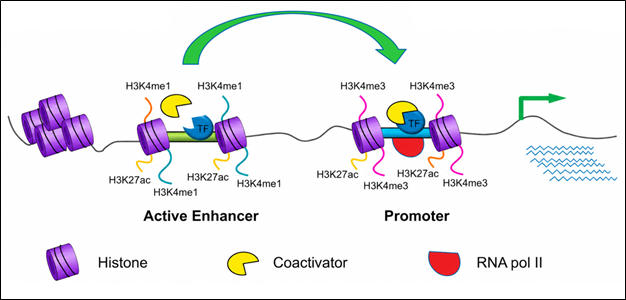
Enhancer Activation and H3K27ac in Cell-State Plasticity
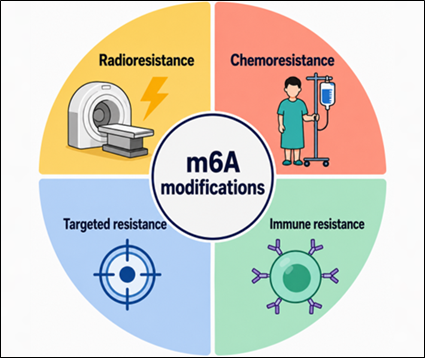
m6A RNA Methylation in Cancer Immunity and Therapeutic Resistance
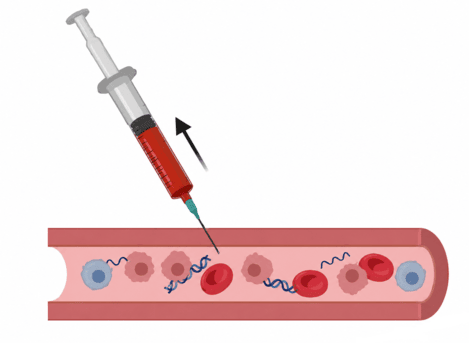
cfDNA Methylation in Liquid Biopsy Research: Where Global 5-mC, 5-hmC, Enrichment, and RRBS Readouts Fit
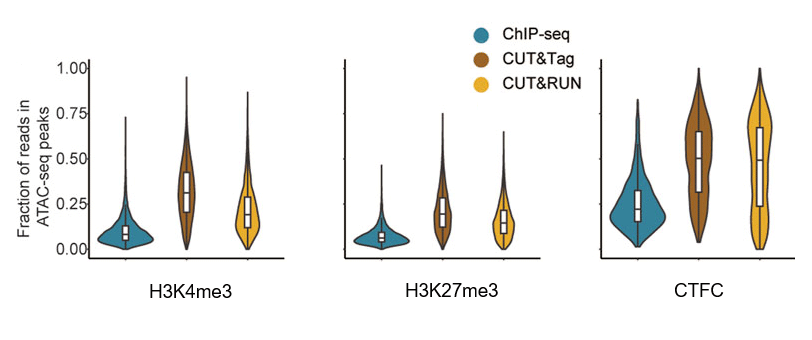
Understanding Open Chromatin Bias in CUT&RUN and CUT&Tag
Company
About Epigentek
Press Releases
Events Calendar
Corporate Sustainability
Career Opportunities
What Is Epigenetics?
Contact Us
Ordering
Ordering Info & Return Policy
Distributors & Resellers

Support
Technical Support
Download Datasheets
Resource Bulletins
Promotions & Offers
Current Promotions
New Lab Startup Program
Risk-Free Testing: Pioneer Program
Rewards Program
Product Reviews
Application Guarantee
Sign Up For Exclusive Offers
Request a Quote
Stay Informed


Terms & Conditions | Privacy Policy | Site Map
Copyright © EpigenTek Group Inc. All rights reserved.
  • Stay Informed:
Terms & Conditions | Privacy Policy Copyright © EpiGentek