 Our single B-cell derived recombinant rabbit monoclonal antibodies have vastly improved reliability and reproducibility.



 Cart (0)


Comprehensive Guide to Histone Modification
Histone modifications are critical processes involving the addition or removal of chemical groups to histone proteins, significantly impacting gene expression and chromatin structure. These modifications are essential in regulating cellular functions and play a crucial role in disease progression and treatment outcomes.
What is Histone Modification?
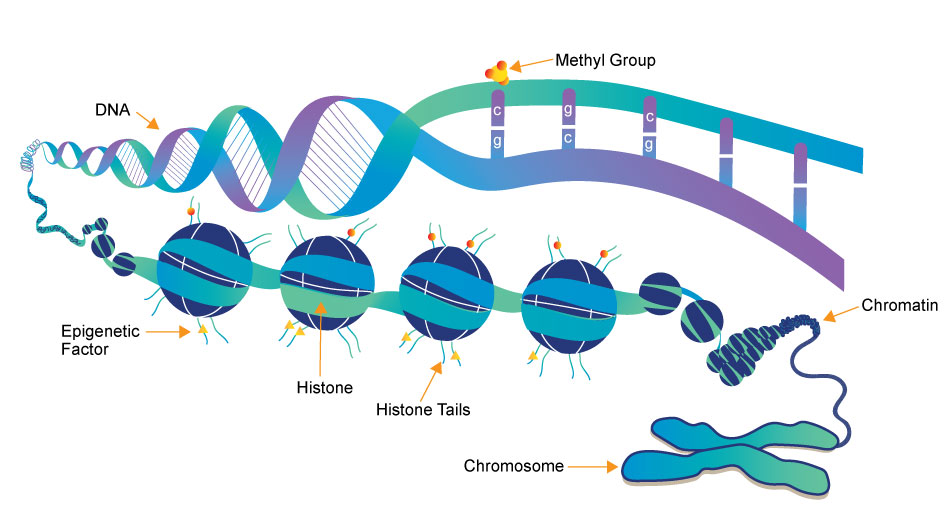
Histone modifications refer to post-translational changes made to histone proteins, affecting how DNA is packaged within chromatin. These modifications influence gene expression by altering chromatin structure and accessibility, making them pivotal in epigenetic regulation. For more details, visit our detailed guide.
Key Types of Histone Modifications
Histone Acetylation
Histone acetylation involves adding acetyl groups to lysine residues, leading to a less compact chromatin structure and increased gene expression. This process is catalyzed by histone acetyltransferases (HATs) and reversed by histone deacetylases (HDACs). Acetylation plays a role in cell cycle regulation, differentiation, and tumor suppression.
Histone Methylation
Methylation can occur on lysine and arginine residues, either activating or repressing transcription depending on the site and context. Patterns like H3K4me3 (activation) and H3K27me3 (repression) serve as markers for gene regulation. Histone methyltransferases (HMTs) and demethylases control this process.
Histone Phosphorylation
Histone phosphorylation typically occurs on serine, threonine, or tyrosine residues, impacting DNA repair, transcription regulation, and cell cycle progression. It often serves as a signal for recruiting other proteins to chromatin.
Histone Ubiquitylation
Ubiquitylation involves attaching ubiquitin to histones, influencing DNA repair and transcription regulation. This modification can signal histone removal or alter chromatin dynamics, impacting gene expression.
Histone Modification Infographic
Enzymatic Regulation of Histone Modifications
Histone modifications are dynamically regulated by specific enzymes:
- Writers: Enzymes such as HATs and histone methyltransferases (HMTs) that add modifications.
- Erasers: Enzymes like HDACs and demethylases that remove modifications.
- Readers: Proteins that recognize and interpret histone modifications to mediate downstream effects.
Impact on Gene Regulation and Disease
Histone modifications significantly influence gene regulation, affecting various biological processes, including:
- Cell differentiation and development
- Response to environmental signals
- Pathogenesis of diseases such as cancer and neurological disorders
Understanding these modifications offers insights into disease mechanisms and potential therapeutic targets. Discover our histone modification kits for research applications.
Frequently Asked Questions (FAQs)
What is histone modification?
Histone modification refers to the chemical changes made to histone proteins that affect how genes are expressed.
How do histone modifications impact gene expression?
They alter chromatin structure, either making DNA more accessible for transcription (gene activation) or more condensed (gene repression).
What are some common enzymes involved in histone modifications?
Key enzymes include histone acetyltransferases (HATs), histone deacetylases (HDACs), methyltransferases, and demethylases.




