 Our single B-cell derived recombinant rabbit monoclonal antibodies have vastly improved reliability and reproducibility.



 Cart (0)


Illicit drugs are defined as those that are illegal to use, make and sell. Drugs that fall under this category include cocaine, heroin, amphetamines (METH), and various hallucinogens. Unfortunately, these same drugs are some of the most used and abused drugs in the world, and often become addictive very quickly.
Psychostimulants and opioids affect the central nervous system (CNS), which controls most functions of the brain and body. These drugs not only affect memory and decision making, but can cause oxidative stress, DNA damage, and epigenetic modifications on a cellular level.

Scientists from Texas A&M University wanted to determine the effect that certain psychostimulants and opioids have on epigenetic modifications in specialized glial cells called astrocytes. Dr. Samikkannu Thangavel and his team focused on changes made to histone acetyltransferases(HAT) and histone deacetylases(HDAC)—the enzymes involved in histone acetylation.
Histone acetylation/deacetylationinvolves the addition (by HATs) or removal (by HDACs) of an acetyl group on a lysine residue in core histone proteins. This mechanism is directly involved in many processes, including chromatin transcription, gene expression, cell differentiation, DNA replication, and DNA repair.
In addition to these illicit drugs, the team wanted to measure the effects of another drug not like the others. Piracetam is a neuroprotective drug that is used by some to treat anxiety, dementia Alzheimer’s, and alcoholism—though it is not overly successful.
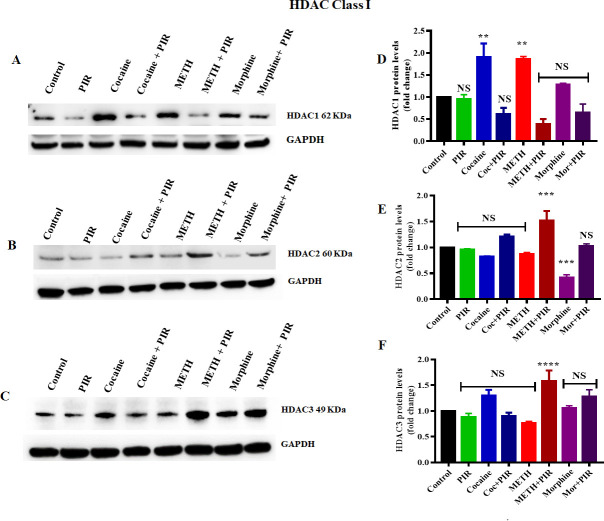
To begin, the team tested each drug to see its impact on class I HDAC protein levels, which are made up of HDACs 1-3. These proteins play a large role in histone deacetylation and are found throughout brain tissues.
They exposed astrocytes to cocaine, METH, and morphine for 24 hrs. They also exposed the cells to those same drugs, but paired with piracetam, and compared all combinations with a control group. Histones were extracted from the astrocytes using the EpiQuik Total Histone Extraction Kit, and HDAC levels were measured.
Cocaine significantly increased HDAC1 levels, but had no notable impact on HDAC2 or 3 levels, either by itself or when paired with piracetam. METH also increased HDAC 1 levels, and substantially increased HDAC3 levels when paired with piracetam. Morphine exposure led to a decrease in HDAC2, but had little to no effect on HDACs 1 and 3.
When the three drugs were paired with piracetam, upregulation of HDAC1 returned to levels similar to the control samples. Overexpression of HDAC1 has been linked to different neurodegenerative diseases, indicating that Piracetam may have some neuroprotective qualities.
To gauge a better understanding, the team also wanted to investigate how illicit drugs affected class II HDAC protein levels and HAT expression. These HDACs (HDACs 4, 5, 6, & 7) play a role in neural signaling pathways and response to environmental stimuli, and epigenetic changes due to drug exposure have yet to be studied in depth.
Cocaine and METH exposure were found to increase HDAC4, HDAC6, and HDAC7 levels, while decreasing HDAC5 levels. Morphine exposure increased only HDAC4 levels but downregulated the other HDACs. These are significant findings because HDAC4 is known to play an important role in memory and spatial learning, as well as some movement functions, while increased levels of HDAC6 have been linked to mood disorders and depression. The drug/Piracetam combination was found to help bring HDAC levels close to the control.
Overall, the researchers found that these drugs had more of an impact on class II HDACs than on class I HDACs.
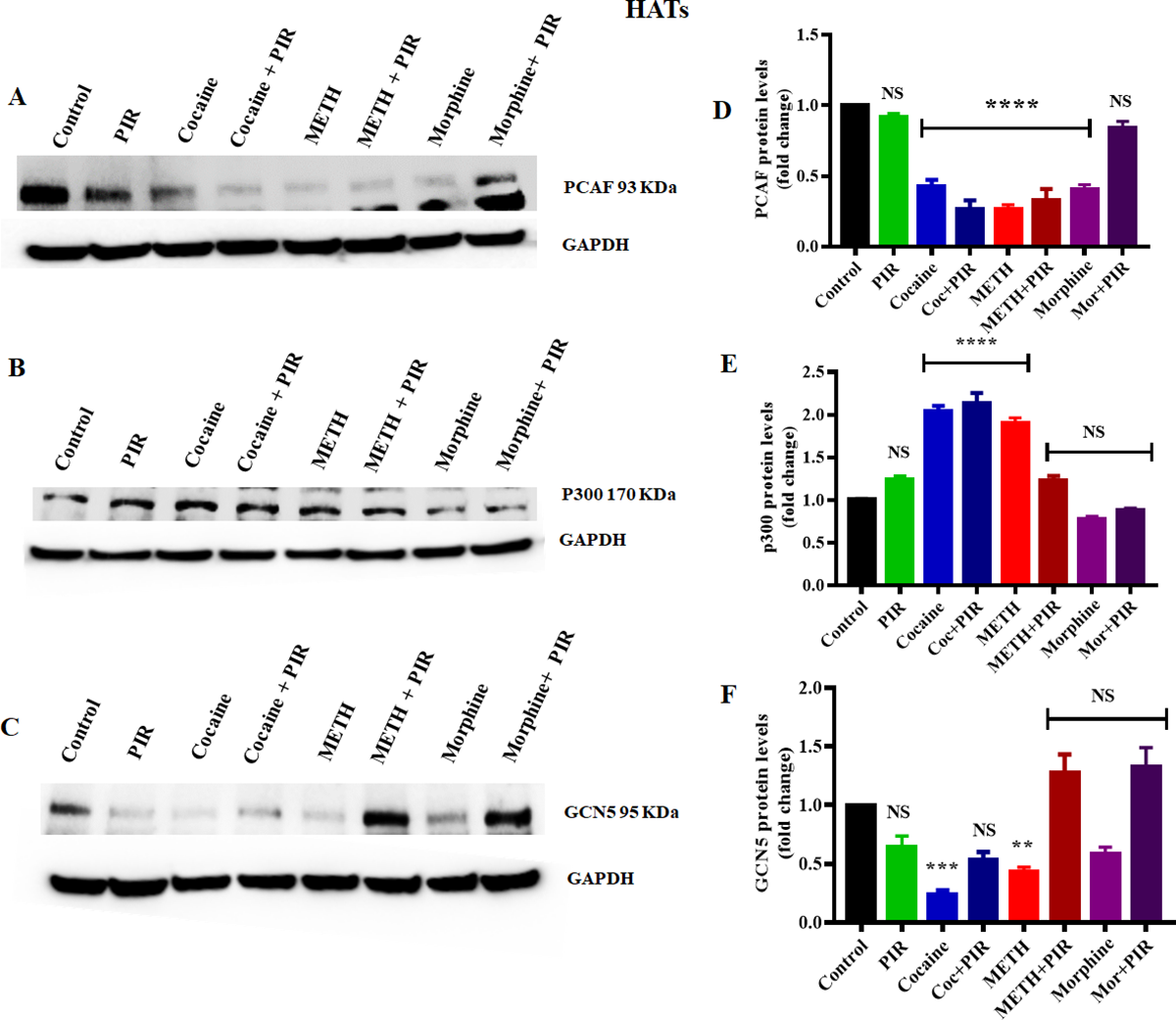
To determine the effect the drugs had on HAT expression, the team used the p300 Polyclonal Antibodyand the Histone H3 Acetylation Antibody Panel Pack Iin a western blot analysis against the astrocytes. They found that METH and cocaine had significantly upregulated p300 levels, but downregulated other HAT proteins GCN5 and PCAF. Morphine exposure decreased GCN5 levels slightly, but not significantly. When each drug was paired with Piracetam, each of the HAT proteins returned to close to the control levels, again indicating the potential benefit of Piracetam.
The drugs studied in this paper are some of the most addictive and abused drugs in the world. The findings highlight the epigenetic damage that happens to the human nervous system due to the continued use of these drugs, but there may be some promise for neuroprotection found in nootropic drugs like Piracetam. Each HDAC and HAT protein levels can impact different parts of neurodevelopment and behavior, making these discoveries critical for understanding the effects that psychostimulants and opioids have on human cells. Dr. Thangavel and his team hope to continue to expand their research to see which specific HAT and HDACs affect acetylation levels in the presence of illicit drugs.
Reference:
Doke M, Pendyala G, Samikkannu T (2021) Psychostimulants and opioids differentially influence the epigenetic modification of histone acetyltransferase and histone deacetylase in astrocytes.PLoS ONE 16(6)



