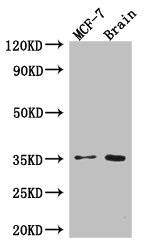
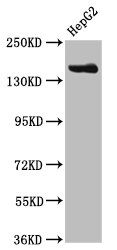
Routine cell or tissue lysate Western blot protocol For most 20-100 kDa targets in whole-cell lysate or tissue lysate. Use this workflow when: You are detecting a typical 20-100 kDa target in whole-cell lysate, nuclear extract, cytoplasmic extract, or tissue lysate. Optimize first: Sample quality, protein normalization, transfer consistency, antibody dilution, blocking buffer, and exposure time. Before you start Confirm the expected molecular weight and the antibody host species before starting. Prepare fresh protease inhibitors in cold lysis buffer. Plan 10-30 ug total protein per lane as the starting load. Include a positive control, negative control when available, and a validated loading control or total protein stain. Protocol 1Prepare and clarify the sample Wash cells or tissue material with cold PBS when appropriate. Lyse on ice with cold lysis buffer containing fresh inhibitors. Incubate on ice for 10-30 minutes with occasional mixing. Clarify at 12,000-16,000 x g for 10-20 minutes at 4°C. Transfer only the clear supernatant to a fresh tube. If lysate is viscous, shear DNA before loading. 2Quantify, normalize, and denature Measure protein concentration before adding reducing sample buffer. Normalize all samples to the same concentration. Add 4X Laemmli sample buffer to 1X final concentration. Heat at 95°C for 5 minutes, then briefly centrifuge before loading. 3Run SDS-PAGE Use a 10-12% gel or 4-12% gradient gel for most routine targets. Load ladder, positive control, negative control, and test samples. Run the stacking gel at 60-80 V, then the resolving gel at 100-150 V. Stop when the dye front approaches the bottom or the target range is separated. 4Transfer to membrane Use 0.45 um PVDF or nitrocellulose for routine targets. For wet transfer, start around 100 V for 60-90 minutes at 4°C, or use validated semi-dry settings. Stain the membrane with Ponceau S before blocking to confirm transfer and lane consistency. Correct uneven transfer before changing antibody conditions. 5Block, probe, detect, and normalize Block with 5% non-fat dry milk in TBST unless the antibody datasheet recommends another blocker. Incubate EIF3C Polyclonal Antibody according to the datasheet, or test 1:500 to 1:2,000 if no starting dilution is available. Wash 3 x 5-10 minutes, incubate secondary antibody, then wash again. Capture non-saturated exposures and normalize to total protein or a validated loading control. Controls to include Positive lysate or purified protein that is known to contain the target. Negative lysate, knockout, knockdown, untreated, or low-expression sample when available. Loading control such as GAPDH, beta-actin, tubulin, or a total protein stain. Short and long exposures to avoid relying on a saturated image. Reference notes If the band is weak in every lane, check transfer and positive control before increasing antibody concentration. If all lanes are high background, reduce antibody concentration and increase wash stringency before changing sample prep. If lanes smear, reduce sample load, clarify lysate, and check salt, nucleic acid, lipid, or detergent interference.
Purified or recombinant protein Western blot protocol For purified target protein, recombinant controls, standards, or defined protein preparations. Use this workflow when: You are confirming expression, purity, identity, tag detection, or recovery of a purified or overexpressed recombinant protein. Optimize first: Protein loading amount, tag or target antibody choice, gel percentage, transfer time, and exposure range. Before you start Use nanogram-range loading instead of total lysate loading ranges. Prepare a dilution series so signal intensity can be interpreted without saturation. Confirm the final expected size, including tag, linker, fusion partner, or cleavage product. Include unrelated recombinant protein, buffer-only control, or tag-only control when relevant. Protocol 1Prepare a dilution series Dilute the protein in compatible buffer before adding sample buffer. Start with 1-50 ng per lane for most purified proteins. Include at least three amounts, such as low, medium, and high load. Use a buffer-only lane if the storage buffer contains reducing agent, salt, glycerol, detergent, or carrier protein. 2Denature without overloading Add 4X sample buffer to 1X final concentration. Heat at 95°C for 5 minutes unless the protein aggregates. If precipitation appears after heating, test 37-70°C for 10-30 minutes. Briefly centrifuge before loading. 3Run SDS-PAGE by final protein size Choose gel percentage by the final expected recombinant protein size. Use a gradient gel if expected contaminants or fragments span a wide molecular weight range. Run the gel until the target and any expected fragments are separated. Do not interpret an overloaded purified lane as antibody specificity. 4Transfer Use 0.45 um membrane for most recombinant proteins above about 20 kDa. Use 0.2/0.22 um membrane for very small proteins or peptides. Confirm transfer with Ponceau S or another reversible stain. If signal is too intense, reduce protein load before changing transfer conditions. 5Probe and interpret Start with datasheet antibody dilution or a small antibody titration. Capture exposure times that keep the dilution series within the non-saturated range. Use unrelated recombinant protein or tag-only protein to check non-specific recognition. Use lysate validation separately if the antibody will be used on complex samples. Controls to include Purified target protein as the main positive control. Unrelated recombinant protein to check non-specific recognition. Tag-only control if the detection antibody recognizes a tag. Buffer-only lane to identify artifacts from storage buffer. Reference notes Recombinant proteins saturate easily. If the band is very strong, reduce protein load before reducing exposure. A clean recombinant band confirms recognition of the recombinant target, but it does not prove specificity in lysate. Unexpected lower bands may be degradation products, cleavage products, or truncated recombinant species.
Tagged protein expression Western blot protocol For FLAG, HA, His, Myc, GFP, or other tagged proteins expressed in cells or host lysates. Use this workflow when: You are detecting HA, FLAG, His, Myc, GFP, or another tagged construct in transfected, transduced, or engineered samples. Optimize first: Tag accessibility, expression level, lysis conditions, positive and mock-transfected controls, and antibody dilution. Before you start Calculate the final expected molecular weight, including tag, linker, fusion partner, and cleavage site. Prepare matched samples such as transfected vs mock, induced vs uninduced, or expression vector vs empty vector. Use anti-tag antibody to confirm expression and target-specific antibody to confirm identity when possible. Plan lower lysate loads if expression is very strong. Protocol 1Prepare matched expression lysates Collect test and control samples under the same lysis conditions. Clarify lysates at 12,000-16,000 x g for 10-20 minutes at 4°C. Start with 10-30 ug total protein per lane, or less if overexpression is strong. Keep induced/uninduced or transfected/mock samples paired on the same gel. 2Normalize and denature Quantify protein and normalize all lysates. Add reducing sample buffer to 1X final concentration. Heat at 95°C for 5 minutes unless the tagged protein aggregates. If the protein smears or remains in the well, test lower-temperature denaturation. 3Run gel by final tagged size Choose gel percentage based on the final construct size, not the native protein alone. Use 10-12% gel for many 25-100 kDa constructs, higher percentage for small tags, and lower percentage for large fusions. Run the gel long enough to separate full-length target from degradation products. Use an appropriate molecular weight ladder covering the full construct size. 4Transfer Transfer based on final target size. Use 0.45 um membrane for most tagged proteins above about 20 kDa. Check transfer before blocking. If the target is a large fusion protein, use large-protein transfer settings. 5Probe with tag and target logic Probe with anti-tag antibody to confirm expression. Probe with target-specific antibody when identity needs confirmation. Compare signal against mock, empty-vector, or uninduced control. If anti-tag gives many bands, reduce load and check for degradation. Controls to include Mock or untransfected lysate to identify host-cell background. Empty-vector lysate to control for tag-related signal. Induced and uninduced samples for inducible expression systems. Target-specific antibody confirmation when anti-tag signal alone is not enough. Reference notes Anti-tag signal confirms tag detection, not necessarily correct protein identity. A band at the wrong size may reflect tag size, fusion partner size, cleavage, degradation, or alternate migration. Very strong expression can cause aggregation, degradation bands, or saturated signal. Reduce load first.
Low-abundance endogenous target Western blot protocol For weak endogenous targets, rare proteins, inducible proteins, or targets that are difficult to detect in total lysate. Use this workflow when: The target is weak, rare, inducible, tissue-restricted, or expected to produce a low signal in routine lysate. Optimize first: Positive control choice, sample enrichment, protein load, EIF3C Polyclonal Antibody incubation, wash stringency, and exposure time. Before you start Identify a strong positive control before running unknown samples. Consider enrichment, IP, fractionation, nuclear extraction, or membrane enrichment instead of simply loading more lysate. Use fresh inhibitors and keep samples cold. Plan overnight EIF3C Polyclonal Antibody incubation and sensitive detection. Protocol 1Prepare or enrich the target Use total lysate only if the target is expected to be detectable without enrichment. For nuclear, membrane, chromatin-associated, or low-copy targets, enrich the appropriate fraction first. Start with 20-40 ug total lysate only if lane quality remains acceptable. Include the positive control on the same blot. 2Normalize and denature Quantify protein or normalize enriched fraction by a consistent basis. Add reducing sample buffer and heat at 95°C for 5 minutes unless the target requires another condition. Avoid overloading total lysate because it can increase background faster than target signal. Clarify again if samples become viscous or particulate. 3Run SDS-PAGE Choose gel percentage by target size. Avoid distorted lanes, since weak targets become harder to interpret in smeared samples. Run the target region with enough separation from abundant nearby proteins. Do not compensate for low abundance by overloading until enrichment has been considered. 4Transfer and check before probing Use transfer settings based on target size. Stain the membrane after transfer and document the target molecular weight region. If the positive control is weak, troubleshoot transfer before antibody dilution. For small or large low-abundance targets, use the matching small- or large-protein transfer approach. 5Increase detection sensitivity in order Use overnight primary incubation at 4°C. Use a sensitive ECL or fluorescent detection reagent. Increase EIF3C Polyclonal Antibody concentration only after confirming transfer and positive control. Avoid increasing secondary antibody first if background is already present. Controls to include Strong known positive control to confirm the assay can detect the target. No-primary or secondary-only control if background is a concern. Fraction marker or enrichment control if enrichment is used. Loading control or total protein stain suited to the fraction or sample type. Reference notes A missing target band is not interpretable without a positive control. If the positive control works but samples are weak, optimize enrichment, sample amount, or biological stimulation. If the positive control is also weak, check transfer, antibody activity, detection reagent, and exposure.
Small protein, histone, or peptide Western blot protocol For histones, peptides, small cytokines, and proteins below about 20 kDa. Use this workflow when: The target is a small protein, histone, peptide-sized target, or low molecular weight modification-sensitive protein. Optimize first: High-percentage gel selection, membrane pore size, transfer time, methanol level, and prevention of over-transfer. Before you start Use a high-percentage gel or Tris-Tricine gel for small target resolution. Prepare 0.2/0.22 um membrane to reduce blow-through. Use lower sample loads for abundant histones. Plan total H3, total H4, total histone, peptide, or recombinant control when appropriate. Protocol 1Prepare the small-protein sample Use histone extract, enriched fraction, purified peptide, or total lysate depending on the target. For histone extracts, start around 0.5-5 ug per lane. For total lysate small targets, use the lowest load that still gives visible target signal. Avoid excessive loading because small abundant proteins can saturate quickly. 2Denature Add sample buffer to 1X final concentration. Heat at 95°C for 5 minutes unless the antibody or sample type requires another condition. Briefly centrifuge before loading. Keep peptide or histone controls prepared consistently with samples. 3Run a small-protein gel Use 15-18% gel or Tris-Tricine gel for very small targets. Run until the small target is separated from the dye front and nearby bands. Use a ladder that covers low molecular weight markers. If small bands compress, change gel chemistry before changing antibody conditions. 4Transfer gently Use 0.2/0.22 um PVDF or nitrocellulose. Use shorter or gentler transfer than routine proteins. Avoid SDS in transfer buffer unless specifically validated. If signal is missing, check for membrane blow-through before increasing antibody. 5Block, probe, and normalize Use blocker compatible with the antibody. For many histone PTM antibodies, start with BSA in TBST. Probe with target or modification-specific antibody. Normalize histone targets to total H3/H4, total histone, or total protein signal when appropriate. Use short exposures first because histone signals can saturate. Controls to include Total H3, total H4, or total histone control for histone targets. Modified peptide, recombinant histone, or known positive sample for PTM targets. Unmodified peptide or untreated sample when testing modification specificity. Transfer retention check because small proteins can pass through membranes. Reference notes Small proteins are often lost during aggressive transfer. Use smaller pore membrane and shorter transfer first. Standard 10% gels may not resolve small targets well. Milk can increase background for some modification-specific histone antibodies. Switch to BSA if needed.
Large protein Western blot protocol For proteins above about 150 kDa, high molecular weight targets, or proteins that transfer poorly. Use this workflow when: The target is a large protein that transfers slowly or resolves poorly on a standard gel. Optimize first: Gel percentage, transfer time, membrane choice, sample denaturation, and reducing conditions. Before you start Use a low-percentage or gradient gel suitable for high molecular weight separation. Plan wet transfer with cooling and longer transfer time. Prepare reduced-methanol transfer buffer when needed. Plan membrane stain and post-transfer gel stain to check whether protein remains in the gel. Protocol 1Prepare clean lysate Lyse on ice and avoid harsh handling that promotes aggregation. Clarify thoroughly before loading. Start with 10-30 ug total protein per lane depending on target abundance. Avoid viscous or particulate samples, which can trap large proteins near the well. 2Denature with care Use reducing sample buffer unless non-reducing conditions are required. Start with 95°C for 5 minutes for routine large soluble proteins. If the protein aggregates or stays near the well, test 37-70°C for 10-30 minutes. Briefly centrifuge before loading. 3Run a large-protein gel Use 4-8% gel or 4-15% gradient gel depending on target size. Run longer at appropriate voltage to improve high molecular weight separation. Use a high molecular weight ladder. If the target remains compressed near the top, lower the gel percentage before changing antibody conditions. 4Use extended wet transfer Use wet transfer with cooling instead of a short routine transfer. Start with 30 V overnight or another validated extended wet-transfer condition. Reduce methanol to 5-10% if large protein transfer is poor. Consider 0.025-0.05% SDS only after optimizing methanol and transfer time. 5Probe and check transfer first Block with milk or datasheet-recommended blocker. Use antibody conditions from the datasheet when available. If signal is weak, stain the post-transfer gel to determine whether target remained in the gel. Optimize transfer before increasing antibody concentration. Controls to include High molecular weight ladder. Known positive lysate for the large target. Ponceau S or total protein stain on membrane. Post-transfer gel stain when transfer efficiency is uncertain. Reference notes Large proteins often fail at the transfer step, not the antibody step. High methanol can reduce transfer of large proteins by making the gel less permeable. Long transfer requires cooling to reduce heat-related distortion.
Membrane or hydrophobic protein Western blot protocol For membrane-enriched, hydrophobic, multi-pass, organelle, or detergent-sensitive proteins. Use this workflow when: The target is hydrophobic, multi-pass, poorly soluble, or found mainly in membrane fractions. Optimize first: Lysis buffer detergents, sample heating conditions, membrane fraction enrichment, gel percentage, and transfer efficiency. Before you start Choose lysis or extraction conditions strong enough to solubilize the target. Prepare membrane fraction and cytosolic marker controls when fractionation is used. Plan a denaturation comparison if boiling may cause aggregation. Confirm detergent compatibility with SDS-PAGE and antibody detection. Protocol 1Extract the membrane target Use detergent conditions appropriate for the membrane protein and sample type. Keep samples cold and include fresh inhibitors. Clarify insoluble debris after extraction. If fractionating, keep membrane and cytosolic fractions clearly separated. 2Normalize and test denaturation Normalize by protein concentration or fraction-equivalent loading. Start with standard reducing sample buffer. If boiling causes aggregation, test 37-70°C for 10-30 minutes. Avoid repeated freeze-thaw cycles, which can worsen aggregation. 3Run SDS-PAGE Choose gel percentage by target size. Watch for material remaining in the well or broad smearing. If migration is poor, optimize extraction and denaturation before changing antibody conditions. Use fraction marker lanes when possible. 4Transfer Use transfer settings based on target size. Use 0.45 um membrane for most membrane proteins above about 20 kDa. Check transfer before blocking. Optimize transfer only after sample solubilization is acceptable. 5Probe and reduce background Start with datasheet-recommended blocker or 5% milk in TBST for routine targets. Increase wash stringency if hydrophobic samples create broad background. Confirm signal is enriched in the membrane fraction when fractionation is used. If target is weak, troubleshoot extraction before increasing secondary antibody. Controls to include Membrane fraction marker to confirm enrichment. Cytosolic marker to check fraction purity. Positive membrane-rich sample. No-primary control if hydrophobic background is high. Reference notes Membrane proteins often fail during extraction or denaturation before they fail during probing. Boiling can aggregate some membrane proteins. Lower-temperature denaturation may improve migration. Strong detergent can help extraction but may also affect migration or background.
Phospho-specific or labile PTM Western blot protocol For phosphorylation or other modification-specific targets that require careful sample handling and controls. Use this workflow when: You are detecting phosphorylation, acetylation, methylation, ubiquitination, or another modification-specific target. Optimize first: Inhibitor protection, treatment controls, blocking buffer, antibody specificity controls, and non-saturated exposure. Before you start Add phosphatase and protease inhibitors fresh to lysis buffer. Keep samples cold and process quickly. Use BSA in TBST as the starting blocker unless the antibody datasheet recommends otherwise. Prepare total target, stimulated/unstimulated, inhibitor-treated, or phosphatase-treated controls when possible. Protocol 1Lyse quickly with inhibitors Chill samples, tubes, and buffer before lysis. Add inhibitors immediately before use. Lyse and clarify samples at 4°C. Avoid delays, repeated freeze-thaw cycles, and prolonged handling. 2Normalize and denature Quantify protein and normalize all samples. Add sample buffer promptly after lysis. Heat at 95°C for 5 minutes unless the antibody datasheet recommends another condition. Keep the handling time consistent across treatment groups. 3Run SDS-PAGE Choose gel percentage by the total target protein size. Use better-resolving conditions if a modification-dependent mobility shift is expected. Run treated and untreated samples together. Avoid overloading, which can obscure subtle PTM-dependent changes. 4Transfer Transfer based on target size and confirm transfer before probing. Use membrane stain to verify consistent lane transfer. If phospho signal is weak, confirm total target before increasing phospho antibody. Use small- or large-protein transfer settings if target size requires them. 5Block, probe, and confirm specificity Block and dilute antibody in 3-5% BSA in TBST unless datasheet recommends otherwise. Probe phospho/PTM signal and total target protein. Confirm signal changes with stimulation, inhibition, or phosphatase treatment when possible. Switch blocker before assuming the antibody failed if background is high. Controls to include Total target protein to confirm expression and loading. Stimulated and unstimulated samples to show expected modification change. Phosphatase-treated sample when applicable. Pathway inhibitor or treatment control when applicable. Reference notes For many phospho antibodies, milk can increase background or reduce specific signal. If phospho signal is low but total target is strong, check stimulation timing and inhibitor protection. If total target is also weak, troubleshoot sample load, transfer, and antibody activity before PTM specificity.
IP, co-IP, or pulldown Western blot protocol For IP-Western analysis of immunoprecipitated, co-IP, pulldown, bead-bound, or enriched eluate samples. This Western blot workflow assumes the IP or pulldown capture step has already been performed. Use this workflow when: The immunoprecipitation, co-IP, pulldown, or enrichment step has already been performed and the eluate or bead-bound fraction will be analyzed by Western blot. Optimize first: Input and IgG controls, heavy-chain and light-chain interference, elution method, sample loading, and detection antibody strategy. Before you start Plan lane order before starting: input, flow-through, wash, eluate, IgG IP, and beads-only when possible. Check whether the target overlaps IgG heavy chain near 50 kDa or light chain near 25 kDa. Choose a detection strategy that avoids IP antibody chain interference when needed. Keep input and control samples for interpretation. Protocol 1Collect IP fractions Save input before IP. Save flow-through and wash fractions if capture efficiency matters. Elute target from beads under conditions compatible with downstream Western blotting. Include IgG IP and beads-only control when possible. 2Prepare eluate for loading Add sample buffer to eluate or bead-bound sample according to the IP method. Boil beads in sample buffer only if compatible with the experiment. Briefly centrifuge and load the supernatant without bead carryover. Load input as a small percentage of starting material and eluate as an equivalent fraction. 3Run SDS-PAGE Choose gel percentage by target size. Account for IgG heavy chain near 50 kDa and light chain near 25 kDa. If the target overlaps IgG chains, use detection designed to avoid chain interference. Separate input, control IP, and test IP lanes clearly. 4Transfer Use transfer settings based on target size. Confirm transfer before blocking. If sample amount is limited, avoid unnecessary membrane stripping. Use small- or large-target transfer changes only when target size requires them. 5Probe and interpret enrichment Use light-chain-specific, conformation-specific, or directly conjugated detection if IgG chain interference is expected. Compare test IP to IgG IP and beads-only control. Use input to confirm that the target was present before IP. Troubleshoot enrichment before assuming Western blot antibody failure. Controls to include Input to show the target was present before IP. Flow-through and wash to evaluate capture and wash loss. IgG IP to measure non-specific antibody pulldown. Beads-only IP to measure non-specific bead binding. Reference notes Standard secondary antibodies can detect IP antibody heavy and light chains. If the target is near 50 kDa or 25 kDa, plan detection carefully before running the blot. A band in the test IP is meaningful only when compared with IgG and beads-only controls.
Secreted protein or conditioned media Western blot protocol For conditioned media, culture supernatant, serum-containing media, or concentrated secreted protein samples. Use this workflow when: The target is secreted into conditioned media, serum-free media, plasma, serum, or another low-protein extracellular sample. Optimize first: Sample concentration, matrix background, loading normalization, positive controls, and transfer/detection sensitivity. Before you start Clarify media to remove cells and debris before concentration or loading. Choose a normalization basis: volume, cell number, viability, total protein, or another experiment-specific factor. Concentrate media if the target is expected to be dilute. Include blank media and conditioned-media positive control when possible. Protocol 1Clarify and normalize media Centrifuge conditioned media to remove cells and debris. Concentrate the media if target abundance is low. Normalize by volume, cell number, viability, total protein, or collection time. Record the normalization basis so lanes can be compared. 2Prepare sample buffer Add sample buffer after concentration or cleanup. Use reducing or non-reducing conditions based on the target and antibody. If concentrated media contains high salt, desalt or clean up before loading. Avoid overloading serum proteins if serum-containing media is used. 3Run SDS-PAGE Choose gel percentage by target size. Run blank media, conditioned media, and positive control on the same gel. If serum proteins dominate the lane, reduce load or use serum-free collection when feasible. If migration is distorted, check salt and concentration method. 4Transfer Transfer based on target size. Use 0.45 um membrane for most routine secreted proteins above about 20 kDa. Confirm transfer with membrane stain. If target is small, use small-protein transfer settings. 5Probe and compare to media controls Block with datasheet-recommended blocker or 5% milk for routine targets. Increase washing if serum or media components create background. Compare conditioned media against blank media control. Use viability data to distinguish secretion from protein release due to cell death. Controls to include Blank media to identify media-derived background. Conditioned-media positive control or purified target. Cell viability control to help distinguish secretion from cell lysis. Normalization record for volume, cell number, viability, or protein basis. Reference notes Secreted proteins can be dilute, so concentration may be required before loading. Serum proteins can dominate the blot and mask weak target bands. Volume-only normalization can be misleading if cell number or viability differs across samples.
IHC application FFPE chromogenic IHC protocol Use this workflow for formalin-fixed, paraffin-embedded tissue sections with HRP/DAB or other chromogenic detection. Use this workflow when: Routine pathology-style protein localization in FFPE tissue using brightfield microscopy. Optimize first: Antigen retrieval buffer, EIF3C Polyclonal Antibody dilution, detection chemistry, and chromogen development time. Deparaffinize and rehydrate Remove paraffin with xylene or substitute, then rehydrate through graded alcohols to water.Incomplete deparaffinization causes patchy staining. Perform antigen retrieval Use heat-induced epitope retrieval in citrate, EDTA, or another validated retrieval buffer.Choose retrieval pH based on antibody datasheet or optimization. Block endogenous activity Block endogenous peroxidase for HRP detection and block non-specific tissue binding.Use serum or protein blocker matched to the detection system. Incubate EIF3C Polyclonal Antibody Apply IHC-validated EIF3C Polyclonal Antibody at the recommended dilution and incubation time.Run positive and negative tissue controls. Detect, counterstain, and mount Add detection reagent, develop chromogen, counterstain, dehydrate if required, clear, and mount.Stop chromogen development before background becomes excessive.
IHC application Frozen tissue IHC protocol Use this workflow for frozen tissue sections when epitopes are sensitive to FFPE processing or when morphology and antigen preservation require gentler handling. Use this workflow when: Targets sensitive to FFPE processing, lipid-rich tissue, or cases where frozen preservation is preferred. Optimize first: Fixation method, tissue adherence, antibody penetration, and section background. Prepare sections Bring frozen sections to the recommended temperature and fix if not already fixed.Use acetone, methanol, or paraformaldehyde only if compatible with the target. Wash and block Wash gently and block non-specific binding.Handle sections carefully because frozen tissue can detach or tear. Apply EIF3C Polyclonal Antibody Incubate with antibody validated for frozen tissue or IHC where possible. Add detection reagent Use chromogenic or fluorescent detection matched to the experimental goal. Counterstain and mount Counterstain appropriately and mount using medium compatible with detection method.
IHC application Fluorescent IHC protocol Use this workflow for tissue sections when fluorescence detection, co-localization, or multiplexing is needed. Use this workflow when: Co-localization, multiplex marker analysis, and fluorescence-based tissue imaging. Optimize first: Autofluorescence reduction, fluorophore selection, secondary antibody specificity, and exposure settings. Prepare tissue Use FFPE or frozen tissue preparation appropriate to the target and antibody. Retrieve and block Perform antigen retrieval if needed and block tissue background.Reduce autofluorescence if the tissue type requires it. Incubate primary antibodies Use validated primary antibodies and confirm species compatibility for multiplex staining. Add fluorescent secondaries Use cross-adsorbed fluorophore-conjugated secondary antibodies and protect from light. Mount and image Mount with anti-fade medium and acquire images with channel-specific exposure settings.
IHC application IHC antibody optimization workflow Use this workflow when an antibody has weak staining, high background, or uncertain IHC performance. Use this workflow when: New antibody setup, new tissue type, or transfer of a protocol to a new staining platform. Optimize first: Control tissue quality, retrieval conditions, antibody dilution, blocker, and detection time. Start with control tissue Use a known positive tissue and a known negative tissue before interpreting experimental samples. Titrate antigen retrieval Compare retrieval buffer pH and time without changing every variable at once. Titrate antibody dilution Test a small dilution series around the datasheet recommendation. Check detection background Run no-primary and isotype or negative reagent controls if appropriate. Lock the final protocol Once signal and background are acceptable, keep retrieval, antibody dilution, incubation time, and detection time consistent.
IF application Cultured Cell IF/ICC Protocol Use this workflow for immunofluorescence staining of cultured cells grown on coverslips, chamber slides, or imaging plates. This is the typical ICC workflow when fluorescent antibody detection is used. Use this workflow when: Subcellular localization, target expression patterns, co-localization, and cell-to-cell heterogeneity. Optimize first: Fixation, permeabilization, antibody dilution, secondary antibody specificity, and imaging exposure. Prepare and fix cells Grow cells to appropriate density, wash gently with PBS, and fix with paraformaldehyde or another validated fixative.Start with 4% paraformaldehyde for 10-15 minutes for many targets.Use cold methanol only when it preserves the target and epitope. Permeabilize if needed Permeabilize only when detecting intracellular or nuclear targets.Start with 0.1-0.3% Triton X-100 or saponin depending on target location.Skip or reduce permeabilization for surface antigens. Block non-specific binding Block with serum or protein blocker matched to the secondary antibody system.Use serum from the secondary antibody host species when appropriate.Use Fc block for immune cells when non-specific Fc binding is likely. Incubate primary and secondary antibodies Add EIF3C Polyclonal Antibody at validated IF dilution, wash, then add fluorophore-conjugated secondary antibody protected from light.Include no-primary control.Use highly cross-adsorbed secondary antibodies for multiplex IF. Counterstain, mount, and image Add nuclear counterstain if needed, mount with anti-fade medium, and image using non-saturating exposure settings.Use the same exposure settings for comparison groups.
IF application Tissue immunofluorescence protocol Use this workflow for frozen or fixed tissue sections when fluorescent detection is preferred over chromogenic staining. Use this workflow when: Spatial localization of proteins in tissue sections with fluorescence-based detection. Optimize first: Tissue autofluorescence, antigen retrieval, blocking, and antibody penetration. Prepare tissue sections Bring sections to the correct temperature, outline tissue, and wash gently to remove storage medium or embedding residue. Fix or retrieve antigen Use fixation or antigen retrieval appropriate to the tissue preparation and target epitope.Frozen tissue often needs gentler fixation.Fixed tissue may require antigen retrieval. Reduce tissue background Block non-specific binding and reduce autofluorescence if tissue background is high.Include tissue-only and secondary-only controls. Incubate antibodies Apply EIF3C Polyclonal Antibody, wash thoroughly, then add fluorophore-conjugated secondary antibody.Protect slides from light after fluorophore addition. Mount and image Counterstain nuclei if needed, mount with anti-fade medium, and image using matched settings across samples.
IF application Multiplex immunofluorescence protocol Use this workflow when detecting two or more targets in the same sample. Use this workflow when: Co-localization, pathway mapping, cell identity markers, and target expression in mixed populations. Optimize first: Species compatibility, fluorophore selection, bleed-through, and secondary antibody cross-reactivity. Plan antibody species and channels Select primary antibodies from different host species or use directly conjugated antibodies when species overlap.Choose fluorophores with minimal spectral overlap. Validate single stains first Run each antibody alone before combining them.Confirm expected localization and signal strength.Check bleed-through using single-color controls. Block and incubate antibodies Block carefully and incubate primary antibodies together only after individual staining is validated. Use cross-adsorbed secondaries Use highly cross-adsorbed secondary antibodies matched to each primary species.Add secondary-only controls for each channel. Acquire sequential images Image channels sequentially when possible and keep settings consistent for comparisons.
IF application Phospho or PTM immunofluorescence protocol Use this workflow for phosphorylation, acetylation, methylation, or other modification-specific antibody staining. Use this workflow when: Detecting activated signaling pathways, histone modifications, or other modification-specific targets in cells or tissue. Optimize first: Fixation timing, modification preservation, antibody specificity, and treatment controls. Preserve the modification Fix quickly and consistently. Use inhibitors during sample handling when appropriate. Choose fixation carefully Modification-specific epitopes can be sensitive to fixation conditions.Compare paraformaldehyde and methanol only if needed. Block and stain Use a blocker compatible with the antibody and modification.Use no-primary, untreated, and treated controls where possible. Validate specificity Compare signal with pathway stimulation, inhibitor treatment, enzyme treatment, knockdown, or known positive samples when possible. Image matched groups Use identical acquisition settings for treated and untreated groups.